Synopsys and Ansys power the future of innovation—connecting silicon to systems.
-
-
Access Free Student Software
Ansys empowers the next generation of engineers
Students get free access to world-class simulation software.
-
Connect with Ansys Now!
Design your future
Connect with Ansys to explore how simulation can power your next breakthrough.
Free Trials
Products & Services
Learn
About
Back
Products & Services
Back
Learn
Ansys empowers the next generation of engineers
Students get free access to world-class simulation software.
Back
About
Design your future
Connect with Ansys to explore how simulation can power your next breakthrough.
Free Trials
2026 Virtual Workshop Series
Looking to learn and grow your simulation skills? Join us for our virtual workshop series, brought to you by Ansys experts.
Upcoming Workshops
Virtual Workshop
September 16, 2026
9:00 AM - 12:00 PM EDT (AMERICA)
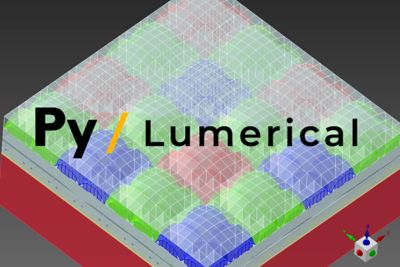
Virtual Workshop: From Unit Cell to Full Metalens with PyLumerical
From Unit Cell to Full Metalens with PyLumerical: RCWA Library Generation and Symmetry-Accelerated Full Metalens FDTD Focusing Analysis
Virtual Workshop
September 22, 2026
10:00 AM - 1:00 PM CEST (EUROPE)
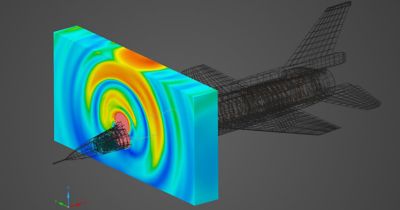
Simulation-Driven E3/EMC Certification: Hands-on Workshop
As aerospace, defense, and transportation systems become more connected and electrically complex, E3/EMC performance is increasingly influenced by interactions between cables, harnesses, electronics, enclosures, and mechanical structures. Understanding these interactions early through simulation can help engineering teams identify potential compliance risks sooner, reduce costly design iterations, and improve confidence before formal certification testing.
Virtual Workshop
September 23, 2026
11:00 AM - 1:00 PM EDT (AMERICA)

High-Fidelity Design Exploration at Scale with nTop and Ansys part of Synopsys
Join this hands-on online workshop to explore how nTop and Ansys optiSLang can help engineering teams automate high-fidelity design exploration and optimization at scale.
Virtual Workshop
September 29, 2026
9:00 AM - 1:00 PM PDT (AMERICA)

Bringing Structure in the Development and Testing of Embedded Control Software with SCADE and TPT
Embedded control software is at the heart of increasingly complex, software-defined systems across industries. Whether the system is in a vehicle, an aircraft, an industrial machine, or another safety- and performance-driven environment, engineering teams face the same challenge: move faster without losing control over quality, maintainability, and system understanding.
Virtual Workshop
October 08, 2026
11:00 AM - 2:00 PM EDT (AMERICA)

Advanced Analysis for Power Electronics using Ansys Saber
Participate in our second workshop to gain experience in advanced analysis for
power electronics using Ansys Saber.
Virtual Workshop
November 12, 2026
9:00 AM - 12:00 PM EST (AMERICA)
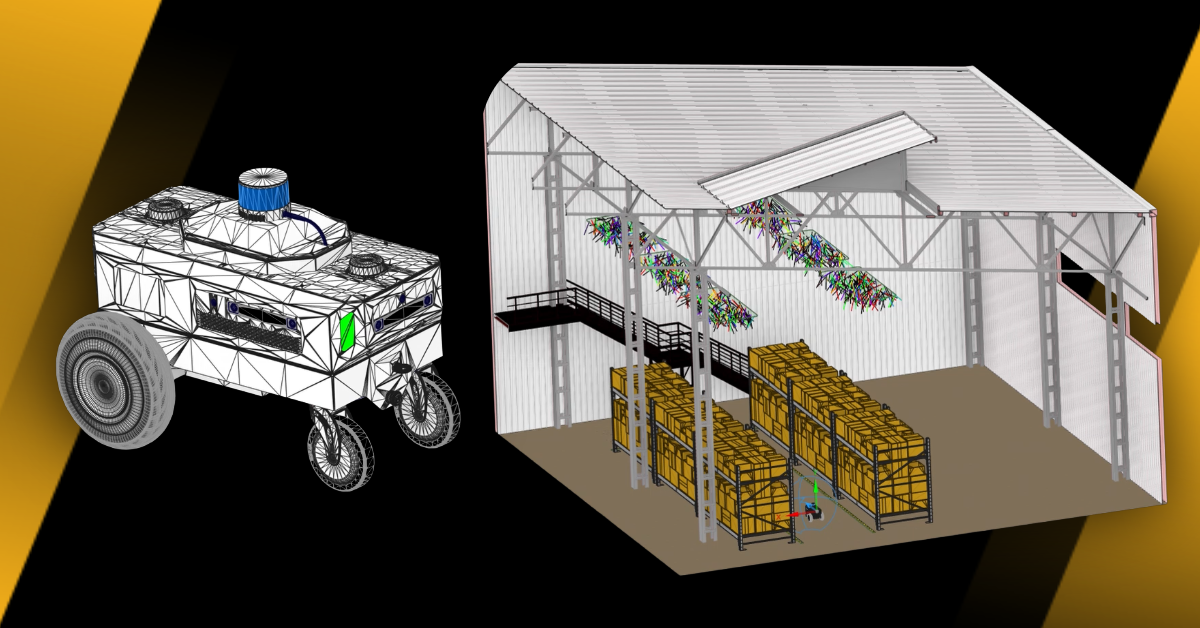
Hands-On Virtual Workshop: Design and Simulate Robotic Optical Sensor Systems
Watching demos doesn’t build muscle memory. Engineers need hands-on experience to confidently deploy simulation workflows that reduce prototype iterations and accelerate time-to-market for robotic sensor systems.