Quick Specs
Ansys SCADE Test is proven to reduce embedded software verification activities time and costs and achieve reliable software.
Synopsys and Ansys power the future of innovation—connecting silicon to systems.
Ansys empowers the next generation of engineers
Students get free access to world-class simulation software.
Design your future
Connect with Ansys to explore how simulation can power your next breakthrough.
Students get free access to world-class simulation software.
Connect with Ansys to explore how simulation can power your next breakthrough.
Ansys SCADE Test is a complete embedded software testing environment for requirements validation along with test-case creation and management.
Ansys SCADE Test is a complete testing environment for requirements validation, as well as test case creation and management. You can automate test case execution both on host and on target, measure coverage and manage test results for any SCADE application.
Ansys SCADE Test for verification and validation (V&V) activities benefit from best-in-class technology in both a model-based approach and a cost-effective testing environment, allowing them to significantly reduce testing efforts.


Ansys SCADE Test is proven to reduce embedded software verification activities time and costs and achieve reliable software.
March 2026
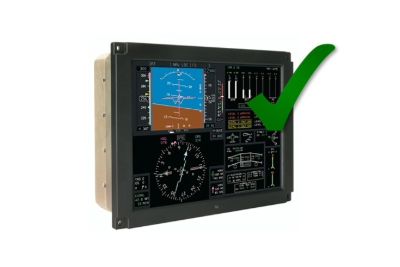
V&V enhancements include a VectorCast test‑harness generator for SCADE Display, an updated DO‑178C qualification for the ARINC 661 DF Generator, and an expanded ARINC 661 Python API with new message‑decoding capabilities.
V&V updates include a new operators‑input definition domain verification capability and enhancements to the Test Verifier tool. Additional improvements cover UX refinements, AnsysGPT integration within the IDE, and advancements to the FACE wrapper.
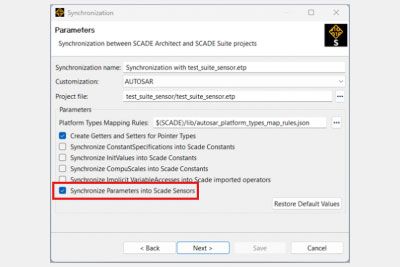
AUTOSAR updates include adding support for AUTOSAR Parameter Access and delivering an ISO 26262 qualification update for the AUTOSAR Code Generator, strengthening safety compliance and enhancing configuration and parameter‑handling capabilities across AUTOSAR workflows.
Lorem Ipsum has been the industry's standard dummy text ever since the 1500s, when an unknown printer took a galley of type and scrambled it to make a type specimen book. It has survived not only five centuries
Ansys and Volkswagen are working together to further improve the capabilities of the SCADE framework towards continuous integration and testing.

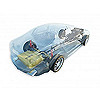
Embedded-software criticality levels have increased, putting strong constraints on the automotive software development process to ensure reliability.
Battery management components are one of the critical features in electric cars. The safety and quality considerations are heavily relying on the availability and performances of the software embedded in the battery management system. To achieve this challenge of implementing an efficient safe BMS in the shortest possible time and lowest possible cost, an efficient software development process is key with a straightforward verification path that reduces or even removes activities while preserving or even reinforcing confidence in the final software.
Lorem Ipsum has been the industry's standard dummy text ever since the 1500s, when an unknown printer took a galley of type and scrambled it to make a type specimen book. It has survived not only five centuries
CAPABILITIES
With SCADE Test, you can get an early start on requirements validation and automate testing to ensure compliance from the early development stages and reduce costly late-stage design changes. The complete interactive testing environment easily enables prototyping and validation via graphical widgets; model test execution, reporting of model coverage results and test translation for hardware targets are automated. Test report generation is qualified according to Safety standards (DO-178C, ISO 26262, EN 50716, IEC 61508).


Everything you need to get an early start on requirements validation
It's vital to Ansys that all users, including those with disabilities, can access our products. As such, we endeavor to follow accessibility requirements based on the US Access Board (Section 508), Web Content Accessibility Guidelines (WCAG), and the current format of the Voluntary Product Accessibility Template (VPAT).