Synopsys and Ansys power the future of innovation—connecting silicon to systems.
-
-
学生向け無料ソフトウェアにアクセス
Ansysは次世代の技術者を支援します
学生は、世界クラスのシミュレーションソフトウェアに無料でアクセスできます。
-
今すぐAnsysに接続!
未来をデザインする
Ansysに接続して、シミュレーションが次のブレークスルーにどのように貢献できるかを確認してください。
無料トライアル
製品およびサービス
リソースとトレーニング
当社について
Back
製品およびサービス

人類は常に星々を見上げてきました。星を眺めることは、長年にわたる人類の歴史を通じた共通の営みと言えるでしょう。地球最古の洞窟壁画から、1600年代のガリレオの発見、そして現代に至るまで、星は長い間、人の社会にインスピレーションと支えを提供してきました。
そして現在、数世紀の時を経て、星や宇宙について学ぶ私たちの能力は飛躍的に向上しています。光学エンジニアリングの進歩と地上および宇宙ベースの望遠鏡の展開により、これまで以上に遠くを観測できるようになったのです。
では、世界の科学者が宇宙への理解を深めることができる2つの先進的な宇宙望遠鏡、すなわちジェームズ・ウェッブ宇宙望遠鏡とナンシー・グレース・ローマン宇宙望遠鏡を探ってみましょう。
宇宙のスーパースター:ジェームズ・ウェッブ宇宙望遠鏡とナンシー・グレース・ローマン宇宙望遠鏡
1990年にハッブル宇宙望遠鏡が打ち上げられる前から、科学者はすでに、次に何が来るかを考えていました。NASAは、後にジェームズ・ウェッブ宇宙望遠鏡(通称、ウェッブまたはJWST)となる望遠鏡についての議論は1989年に始まったと述べています。
ウェッブは、ハッブルの後を継ぎ、その業績を補完するものですが、いくつかの重要な点で独自の特徴を持っています。たとえば、
- 地球ではなく太陽を周回する。
- 赤外線波長に対して最適化されており、より長い波長をカバーできるため、宇宙に存在するより低温で古い天体や、地上ベースの望遠鏡では観測できない対象を観測できる。
- 以下のような画期的な技術革新を先導している。
2021年12月25日に打ち上げられたウェッブ宇宙望遠鏡は、宇宙に関する知識を拡大するとともに、今後10年間にわたって主要な観測施設として機能することが大いに期待されています。ウェッブを通じて、世界中の天文学者が宇宙の歴史を研究し、ビッグバンや星のライフサイクルから、生命を支える可能性のある太陽系の形成に至るまで、あらゆる事象を探求することができます。
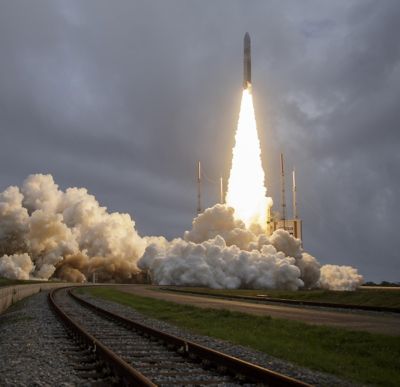
ジェームズ・ウェッブ宇宙望遠鏡を搭載したロケットの打ち上げ。資料提供:NASA/Bill Ingalls
ウェッブが現在も私たちの世界観を変え続けている一方で、宇宙望遠鏡の偉大な伝統を受け継いで、次の大きなプロジェクトがすでに進行中です。NASAの初代主任天文学者にちなんで名付けられたナンシー・グレース・ローマン宇宙望遠鏡(通称、ローマン)は2010年にNASAに採用されたものであり、現在のところ、遅くとも2027年5月までに打ち上げられる予定です。
ローマンは、いくつかの点でウェッブと異なります。たとえば、その始まりは興味深く、国家偵察局(NRO)が、宇宙論研究への転用を目的としてスパイ衛星を提供したことが発端です。そのコアサイエンスについては、ハッブルと同様、ローマン望遠鏡も可視光線と近赤外線で観測します。しかし、ローマンの視野はウェッブの約100倍の広さであり、宇宙のより深部を観測するウェッブの既存の能力を補完する役割を果たします。つまり、ローマンの観測結果により、ウェッブの詳細な調査対象領域を選定できるのです。
ローマンが「目」を向ける対象について言えば、この望遠鏡は、暗黒物質、暗黒エネルギー、時間の経過に伴う宇宙の膨張、太陽系外惑星に関する知見を深めるための宇宙観測に加えて、約200億個の星をマッピングし、これまでで最も精度の高い天の川銀河系の構造図の作成に貢献する銀河面サーベイの完了を目標としています。
先代の望遠鏡と同様に、ローマンも、これらの目標を達成するために、3億画素の広視野赤外線カメラや高性能コロナグラフといった先進技術に依存することになります。ローマンにおける重要な技術革新としては、主鏡の極限までの軽量化と、広視野をカバーする先進的な検出器アレイが挙げられます。

ローマンコロナグラフ装置による3つのコンピュータ読み出し結果(「ダークホール掘削」試験の様子を示す)。資料提供:NASA/JPL-Caltech
シリコン、シミュレーション、システムが宇宙望遠鏡の卓越性をどのように支えているのか
ウェッブとローマンがこれらの驚異的な成果を上げるためには、最初に、宇宙環境で機能できるように最適化された設計を作り上げる必要があります。設計は、耐放射線性、安全性、信頼性が高いことに加えて、最新の革新的技術を導入できるものでなければなりません。同時に、軽量化、コストの最小化、スケジュール遵守も求められます。
この複雑さに加えて、ローマンとウェッブは地球から約100万マイル離れた地点での展開を想定して設計されています。ウェッブは太陽-地球第2ラグランジュ点(L2)を周回し、ローマンもL2から観測を行います。この地点にはいくつかの重要な利点があります。たとえば、地球が太陽の周りを公転する際に、望遠鏡が地球と常に一直線を保てることや、太陽と地球からの光と熱の大部分を遮断できることなどが挙げられますが、これは、何か問題が発生した場合、宇宙飛行士による修理が不可能であることも意味します。そのため、設計は、発射台に運ぶ前までに完璧なものに仕上げなければなりません。
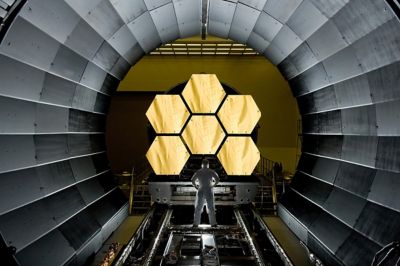
ウェッブの主鏡セグメントを点検しているエンジニア。資料提供:NASA/MSFC/David Higginbotham
これらの宇宙望遠鏡の設計は複雑なため、この取り組みは非常に困難なものとなります。たとえば、打ち上げ時には光学機械アセンブリ全体が折り畳まれ、その後は、宇宙空間で展開されるようにしなければなりません。これを確実に成功させるには、宇宙の真空状態、放射線、温度変化、振動など、あらゆる要素を地球上から考慮する必要があります。
ここで登場するのが、Synopsysのような企業です。Synopsysは政府パートナーの請負業者として長い実績を持ち、Ansys, part of Synopsysもウェッブやローマンといった宇宙望遠鏡に対応する有力なソリューションプロバイダーです。Ansys Government Initiatives(AGI)のDirector of Application EngineeringであるJeff Baxterは次のように述べています。「特に宇宙では、一度きりのチャンスしかないため、初回で確実に正しく仕上げるには、シミュレーションが不可欠です。」
Ansysのシミュレーションソリューションがこの一度きりのチャンスを最大限に活かせるケースの1つが、試験および開発段階です。たとえば、ウェッブは、宇宙の無重力環境や極低温条件下で完全な試験を行うことができませんでした。では、地球上の試験でウェッブがL2軌道での運用に耐えられるかどうかを確認するには、どうしたらよいでしょうか。
「シミュレーションによって、そのギャップを埋める必要がありました」と、AnsysのPrincipal R&D EngineerであるErin Elliottは述べています。宇宙望遠鏡の開発担当者は、シミュレーションソリューションを使用することで、システムの性能を正確に設計し、検証することができます。Elliottは、ウェッブの主鏡の位置調整用のソフトウェアとハードウェアを開発したチームの一員であり、その必要性を身をもって知っています。
その際にElliottが頼りにしたのが、光学システム設計および解析ソフトウェアAnsys Zemax OpticStudioでした。ElliottはEngineering.comとのインタビューの中で、ウェッブの18枚のセグメントが1枚の鏡のように機能するよう完璧に調整するために、OpticStudioを使用して、最善および最悪のシナリオをテストするなど、さまざまな作業を行ったことを語っています。Elliottとそのチームは、実物大の模型が存在しない状況下でも、OpticStudioを用いてウェッブの複雑な光学システムをシミュレーションしたことで、仮想宇宙環境でテストを効率的かつ正確に行うことができました。
Ansys, part of SynopsysのDirector of National Security SolutionsであるAdam Gorskiは、これは極めて重要なことであると語ります。なぜなら、ウェッブの鏡は、設計を最適化するためにウイルスの幅ほどの微細な変更を行うなど、極めて高い精度で開発する必要があったためです。
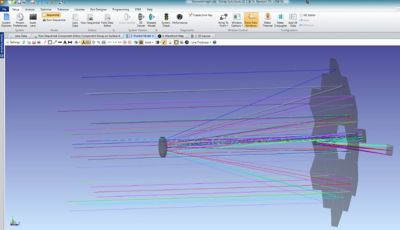
ウェッブのモデル(光学システム設計および解析ソフトウェアAnsys Zemax OpticStudioを使用)
ウェッブの開発以降、OpticStudioはアップデートされ、アプリケーションプログラミングインターフェース (API) が追加されました。Elliottは、このAPIはシミュレーションに簡単に組み込むことができ、この機能によって1つの大規模なシミュレーションを実行できるようになると述べています。その他の有用なアップデートとしては、熱および構造変形データを光学モデルに直接追加できるようにするSTAR(Structural, Thermal, Analysis, Results)ツールの導入のほか、オフアクシスミラーの解析および処理や、製造性の評価の改善が挙げられます。これらのアップデートにより、次世代の優れた宇宙望遠鏡の開発がさらに容易になるでしょう。
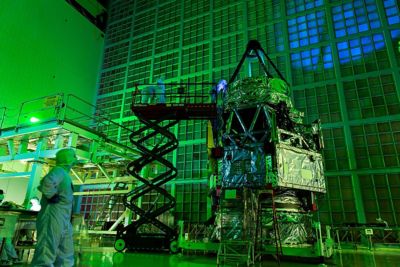
ローマンの主鏡を検査している様子。資料提供:NASA/Mike Guinto
OpticStudioは、ローマンのスリットレス分光計の特性評価の一環として、スポットダイアグラムのシミュレーションにも使用され、ローマンの広視野機器におけるスリットレス分光用のコンパクトなプリズムアセンブリの研究にも貢献しました。
ウェッブの解析(Ansys Zemax OpticStudioを使用)
これは、Synopsysが宇宙望遠鏡のミッション達成を支援する取り組みのほんの始まりに過ぎません。Elliottが述べるように、「すべての宇宙望遠鏡には共通点があり」、以下のツールを活用することでメリットを得ることができます。
- デジタルミッションエンジニアリングソフトウェアAnsys Systems Tool Kit(STK)と軌道測定処理ソフトウェアAnsys Orbit Determination Tool Kit(ODTK):飛行力学システムの重要な要素として、複雑な設計リファレンスミッション(DRM: Design Reference Mission)の構築、軌道設計、運用軌道の決定などに活用できます。
- 伝熱解析に特化したモデリングソフトウェアAnsys Thermal Desktop:宇宙望遠鏡の熱に敏感な機器の熱予測のシミュレーションおよび検証に使用できます。
- 構造の有限要素法解析ソフトウェアAnsys Mechanical :精密なミラーの指向に関する課題の解決策を見出すとともに、重要な支持構造を解析するために利用できます。
ウェッブの飛行力学システムのシミュレーション
宇宙望遠鏡の設計および開発に携わるイノベーターを支援できるソリューションには、高周波電磁界シミュレーションソフトウェアAnsys HFSS、モデルベースシステムズエンジニアリングソフトウェアAnsys ModelCenter(この事例でも活用)、およびAnsys System Architecture Modeler(SAM)機能もあります。
ウェッブの飛行力学システム用のDRMのモデリング(Ansys STKとAnsys ODTKを使用)
システムからシリコンに至るまで、宇宙望遠鏡のすべての部品は過酷な宇宙環境に対応できるように確実に設計しなければなりません。当社は、研究者が今後もこうした課題を乗り越えることができるように製品を通じて支援していきます。たとえば、Ansysのシミュレーションソリューションと、Synopsys製品を用いて設計されたチップを組み合わせることで、信頼性の高い製品群を一元的に活用し、宇宙環境向けの設計と最適化を効率的に進めることができます。
これらのソリューションは単に有用であるだけでなく、宇宙で成功するために不可欠なものでもあります。Gorskiが指摘するように、ウェッブは「人類史上最も困難な挑戦の1つであり、Ansysのソフトウェアなしには実現できなかったと言っても過言ではありません。」
私たちの謎に満ちた過去を覗き込み、未来を変えうる発見へ
宇宙望遠鏡がもたらす影響は、宇宙初期の謎の解明から、次世代の科学者へのインスピレーションに至るまで、広範囲にわたっています。
Gorskiは次のように述べています。「(ウェッブは)私たちがすでに理解している現象をより鮮明に見せてくれていますが、ウェッブは赤外線領域を観測しているため、これまで決して見ることのできなかったものまで見えるようになっています。ウェッブは宇宙の進化モデルを完全に変えてしまいました……そして、私たち全員がその一部である宇宙の創造や、他の世界を覗き見る窓を開いてくれています。」
この知見により、ウェッブの打ち上げから約4年間で、多くの重要な発見がなされました。具体的には、以下のものがあります。
- 近傍の太陽系外惑星に生命を支える分子が存在することを発見
- 天王星を周回する新しい衛星を発見
- 太陽系外惑星の周辺に位置し、衛星を形成している可能性のある円盤を研究
- 誕生間もない宇宙の中に存在していた巨大な銀河を特定するとともに、原始銀河内の複雑な有機分子を発見
- 私たちの銀河で最大級の星形成領域を調査
- 宇宙の膨張速度や超大質量ブラックホールに関する手がかりを発見
- 「ダークスター」である可能性のある3つの天体を検出
- 星雲内部の星形成領域に関するさらなる知見を獲得
- 終焉が迫った爆発直前の星を詳細に観測(これにより、赤色超巨星に関する重要な情報を入手できる可能性がある)
ローマンは間もなく、終焉が迫った星に関する調査でウェッブを支援できるようになると考えられます。より広い視野を持つローマンは、これらの星がブラックホールに吸い込まれつつあることの証拠を探す手助けができることでしょう。
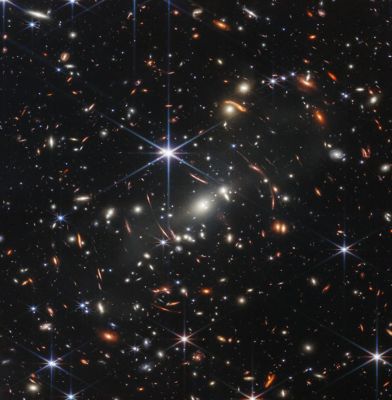
ウェッブが撮影した、銀河団「SMACS 0723」の近赤外線画像。資料提供:NASA ESA CSA STScI
大きな影響を与えている宇宙望遠鏡はウェッブやローマンだけではありません。今後打ち上げられる予定の「ハビタブル・ワールズ・オブザーバトリー(HWO)」は、さまざまな恒星を周回する惑星の生命の兆候を探ると同時に、天体物理学の研究を促進することになると考えられます。
宇宙望遠鏡から得られる成果や発見は、私たちの日常生活とはかけ離れたものに思えるかもしれません。文字通り何百万マイルも離れた場所で起きていることだからです。しかし実際のところ、それらは私たちの生活や重要な技術の進歩に目に見える影響を与えているのです。これらの望遠鏡のミッションを確実に成功させるために開発された技術は、衛星技術の進歩にも役立ち、自動車、医療、ロボット工学など、地球上のさまざまな産業の発展につながることでしょう。このように、これらの宇宙技術は、単に星の研究にとどまらず、GPSから天気予報に至るまで、現代生活の多くの側面を支えるほどの力を持っています。
これはほんの始まりに過ぎません。人類は常に星を見上げてきましたが、今後も変わらないでしょう。結局のところ、私たちが探求してきたのは宇宙のごく一部に過ぎないのです。宇宙望遠鏡とSynopsysのソリューションは、ミッションの成功を支え、時を超えた新たな発見の一助となるでしょう。
宇宙産業をはじめとするさまざまな分野で利用されているSynopsysのソリューションは、イノベーターによるこうした発見に貢献しており、これによって私たちは、過去、現在、未来だけでなく、宇宙における私たちの立ち位置についても、より深く理解できるようになります。
注意: NASAは本稿の作成に関与しておらず、本稿における画像の使用を承認していません。



Advantageブログ
Ansys Advantageブログでは、専門家が投稿した記事を公開しています。Ansysのシミュレーションが未来のテクノロジーにつながるイノベーションをどのように推進しているかについて最新の情報をご覧ください。