Quick Specs
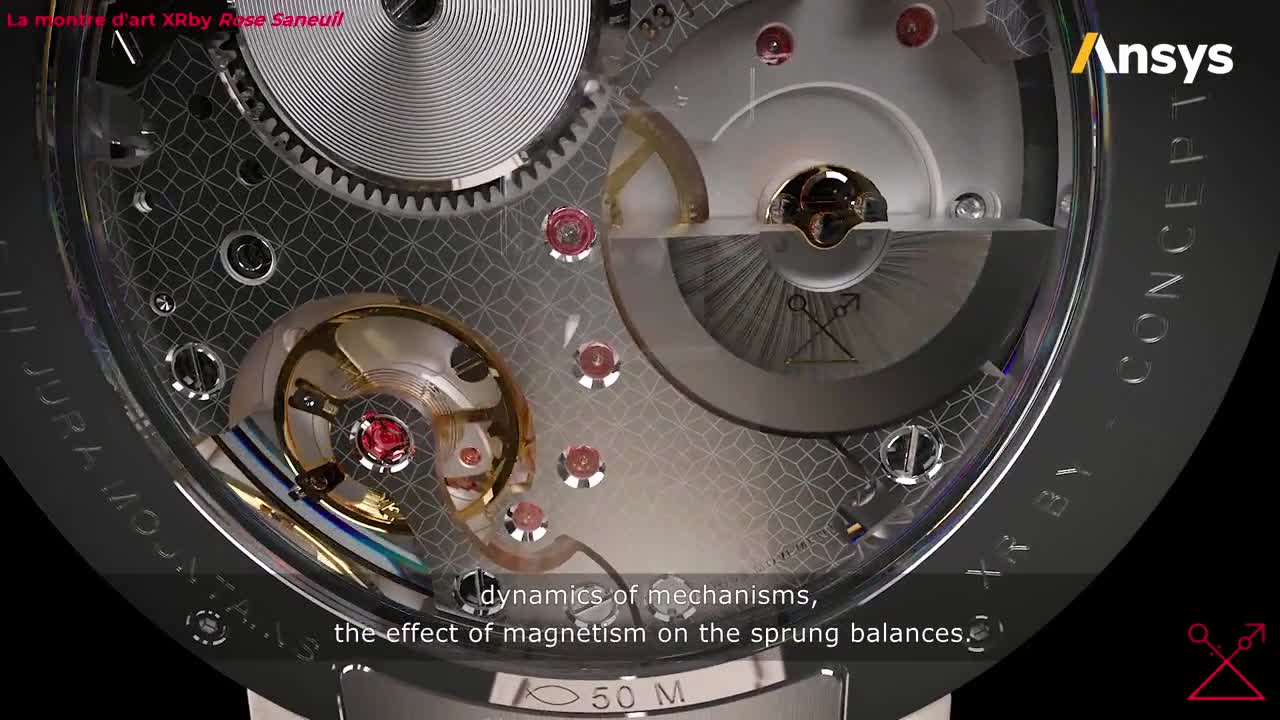
Ansys Speos utilizes non-sequential raytracing and realistic material models for physics-based optical simulation, modeling light behavior and human vision to deliver accurate virtual prototyping and system-level performance validation.
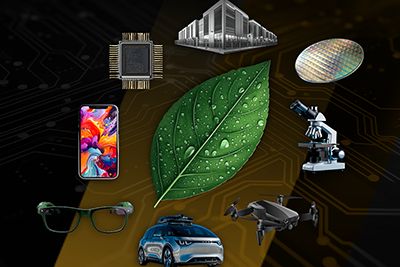
Synopsys and Ansys power the future of innovation—connecting silicon to systems.
Simulate, validate, and optimize optical performance in real environments using physics-based light modeling and human vision analysis before building physical prototypes.
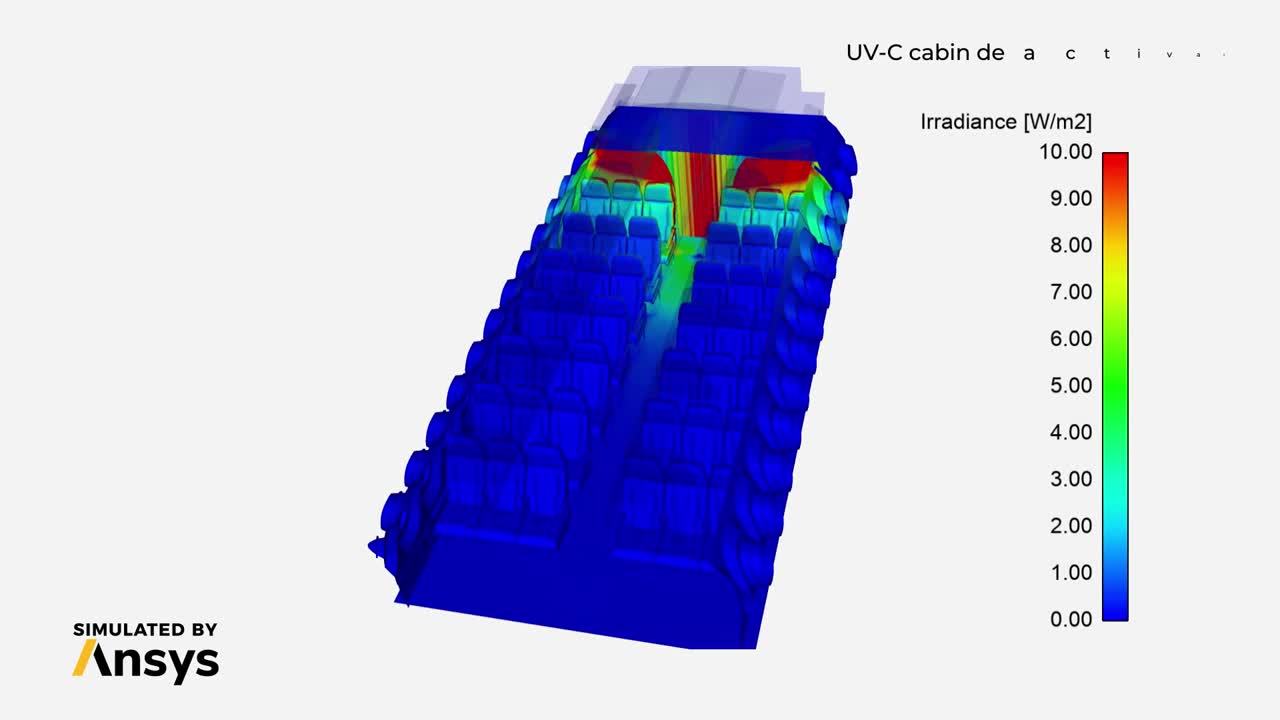
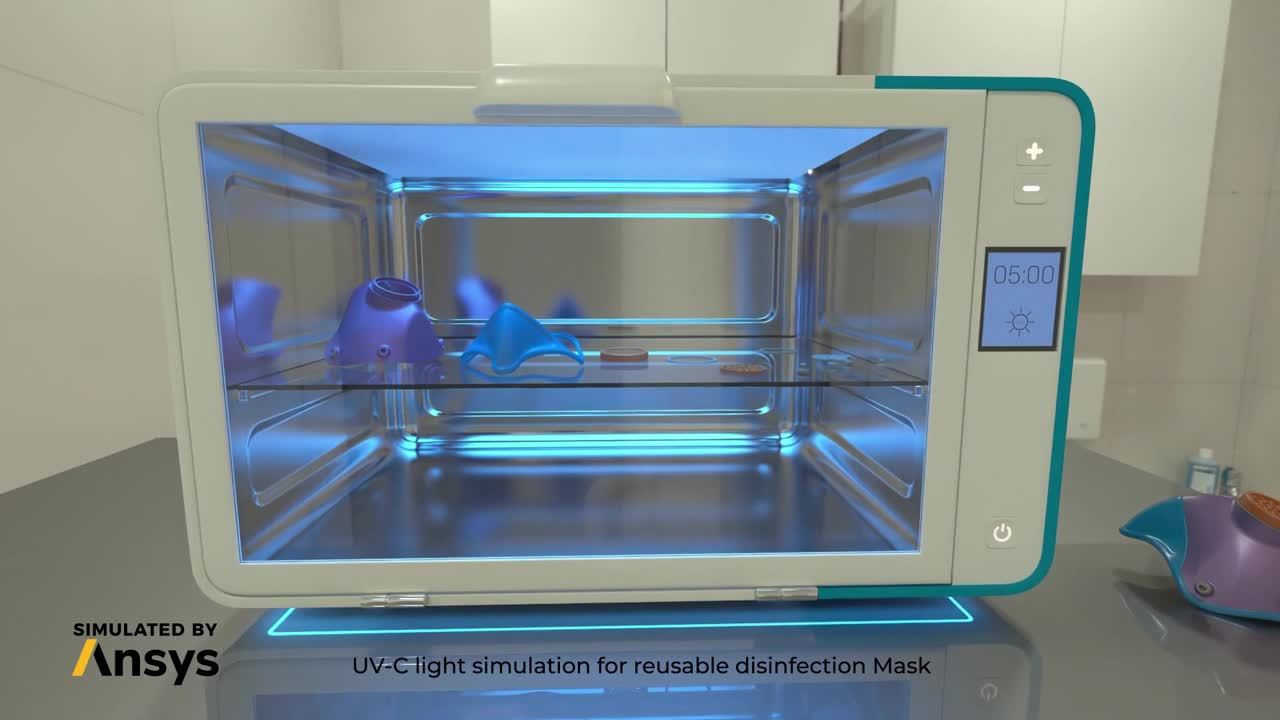
Ansys Speos is a light simulation software tool that designs and validates optical parts, lighting systems, and sensors. It models how light interacts with lenses, materials, and environments, and simulates human vision and camera sensors to predict illumination, image quality, glare, defects, and system performance before physical prototyping.

Ansys Speos utilizes non-sequential raytracing and realistic material models for physics-based optical simulation, modeling light behavior and human vision to deliver accurate virtual prototyping and system-level performance validation.
March 2026
Experience smoother optical design workflows with tools that simplify, integrate, and optimize. Ansys Speos 2026 R1 empowers you to create precise designs faster and more efficiently than ever before.
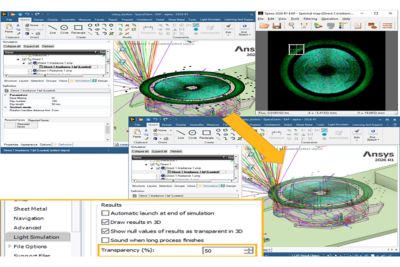
Daily tasks made simpler and more intuitive! Key enhancements include contextual menus for multi-selection, streamlined access to sources and sensors, improved simulation transparency, ray animations, and parametric sun orientation for ambient sources. Designed with optical engineers in mind, these features ensure a smoother workflow and clearer insights.
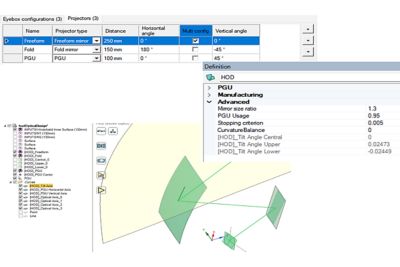
Optical Part Design feature enhancements provide access to new parameters, offering greater design flexibility. Designers can achieve efficient design optimization based on photometric targets, with freeform components and styling constraints.
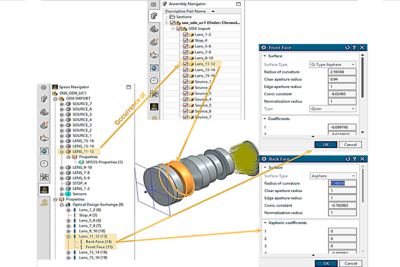
The Optical Design Exchange data exchange between OpticStudio and Speos is now available for Siemens NX. This integration allows seamless data exchange between OpticStudio and Speos, enabling precise lens geometry transfer into CAD software for efficient optomechanical design and stray light analysis.
Virtual optical design improves safety, performance, and development efficiency.

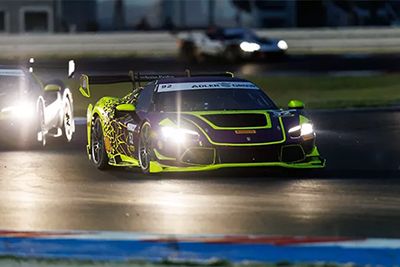
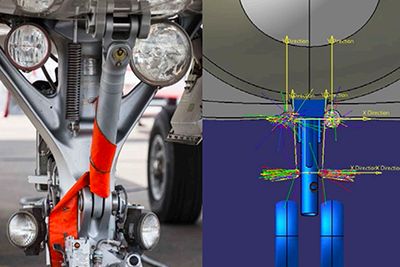
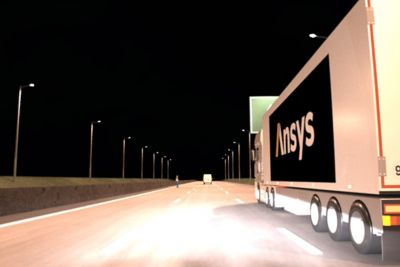
Ferrari partnered with Ansys to develop advanced high-definition headlamp systems using virtual optical simulation. By leveraging tools such as Speos, Zemax OpticStudio, and AVxcelerate Headlamp, engineers can model lighting behavior, test performance in realistic night-driving scenarios, and validate safety requirements without costly physical prototypes. The simulation environment enables rapid iteration, glare analysis, and driver-focused visibility optimization across varying conditions. This digital workflow streamlines development, reduces reliance on weather-dependent testing, and improves system quality. As a result, Ferrari significantly lowered headlamp development costs while enhancing performance, safety, and innovation in both road and racing vehicles.
SPEOS CAPABILITIES
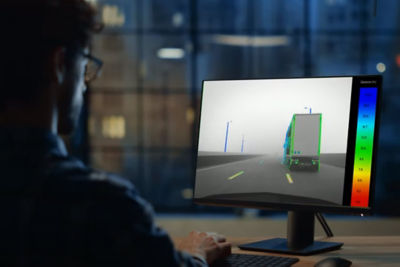
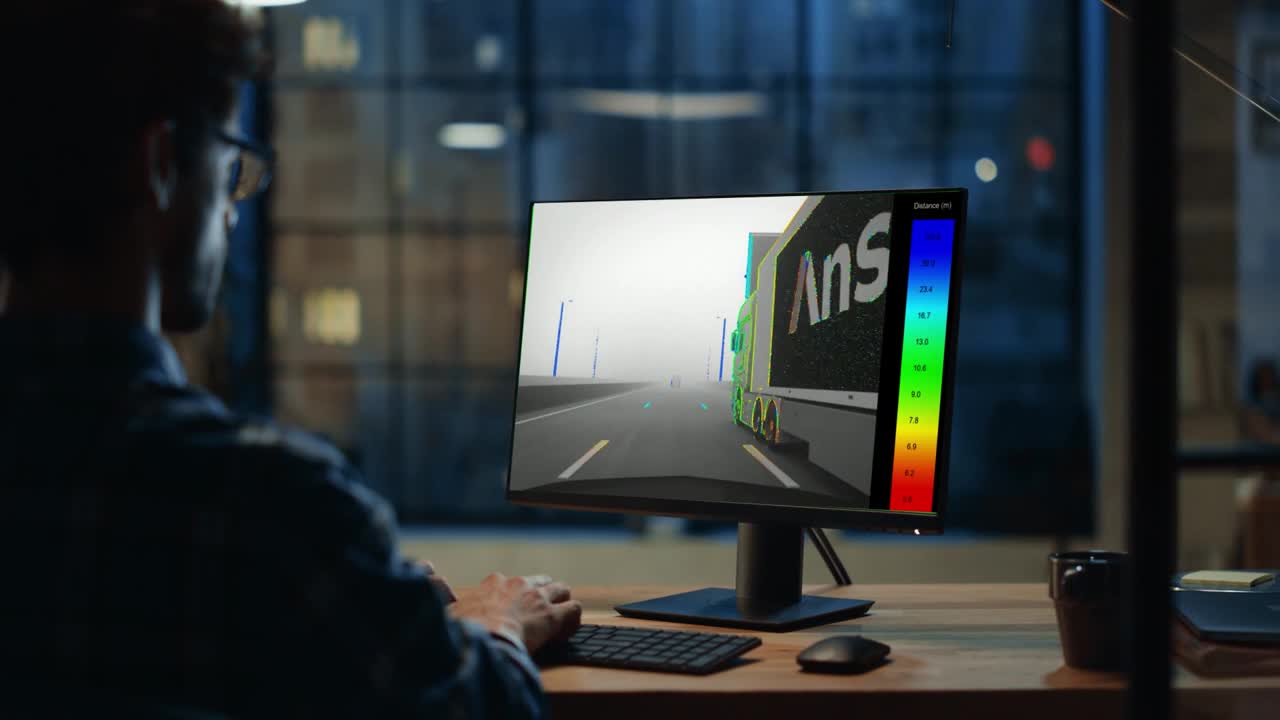
Ansys Speos delivers advanced multiphysics optical design and simulation by integrating optical, structural, and thermal simulations for accurate real-world performance prediction. Its capabilities include precise sensor and perception modeling, optimized illumination system design, realistic material and surface optics, and rapid design exploration. Designers can validate optical drift, efficiency, and detection reliability across cameras, LiDAR, and lighting systems, ensuring robust system-level performance before manufacturing and minimizing physical prototyping.
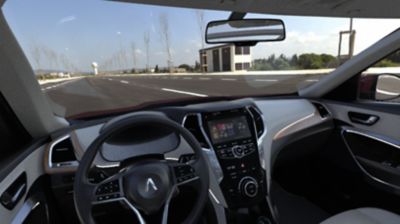
Ansys Speos optical design software uniquely simulates a system’s optical performance and evaluates the final illumination effect, based on human vision.
SPEOS RESOURCES & EVENTS
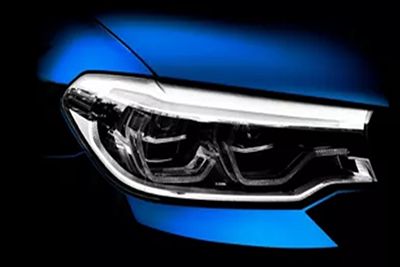
Discover how Ansys simulation accelerates adaptive headlamp development, reduces physical prototyping, optimizes on-road performance, and streamlines global safety compliance for safer, smarter vehicle lighting.
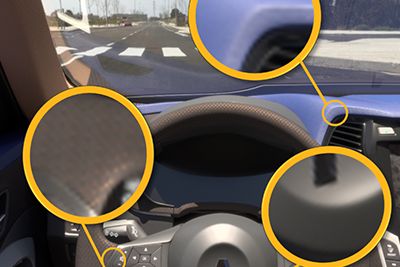
Join our exclusive webinar, exploring AxF support for more realistic optical simulations through precise material appearance data integration and validation.

Watch now to explore Ansys Optics advanced stray light analysis using Ansys Zemax OpticStudio and Ansys Speos to identify, diagnose, and mitigate performance-degrading optical artifacts.
It's vital to Ansys that all users, including those with disabilities, can access our products. As such, we endeavor to follow accessibility requirements based on the US Access Board (Section 508), Web Content Accessibility Guidelines (WCAG), and the current format of the Voluntary Product Accessibility Template (VPAT).