Synopsys and Ansys power the future of innovation—connecting silicon to systems.
-
-
学生向け無料ソフトウェアにアクセス
Ansysは次世代の技術者を支援します
学生は、世界クラスのシミュレーションソフトウェアに無料でアクセスできます。
-
今すぐAnsysに接続!
未来をデザインする
Ansysに接続して、シミュレーションが次のブレークスルーにどのように貢献できるかを確認してください。
無料トライアル
製品およびサービス
リソースとトレーニング
当社について
Back
製品およびサービス

モデルベースシステムズエンジニアリング(MBSE)の概念は、エンジニアがシステムの設計と開発に使用していた従来のドキュメントベースの手法に代わる優れた方法として開発されました。従来のドキュメントを使用する手法では、関連する各ドキュメントで設計の変更を手動で更新する必要があるため、ドキュメント間での不整合を招きやすく、要件に対するシステムの正確な検証が困難でした。
Ansysでは、この新しい手法を使用してデジタルモデルを作成し、システム設計に関連するすべての側面を定義する特性、挙動、要件を表現しました。これらのデジタルモデルにより、一貫性を維持し、システム要件を検証することが容易になりました。
MBSEの重要なコンポーネントは、システムモデリング言語(SysML)です。SysMLは、ハードウェアから、システムを構成するソフトウェア、情報、プロセスに至るまで、システム全体(またはSoS(システムオブシステムズ))をモデル化するために使用するグラフィカルモデリング言語です。SysMLにおけるシステムのデジタル表現を構成する4つの柱には、構造、挙動、パラメトリック、要件があります。システムエンジニアは、これらの要素から、人間が読み取り可能で、マシンが実行可能なモデルを作成します。この手法は非常に優れています。自動化されたツールは、システムのアーキテクチャを曖昧にすることなく、設計の妥当性確認を行い、レポートやグラフなどの従来の出力を作成できます。一方、エンジニアはモデルの図やビューを使用して、設計面をステークホルダーに伝えることができます。
2006年の最初のSysML v1.0仕様のリリースから約20年後、今年初めにSysML v2がリリースされました。このアップデートでは、拡張性とモジュール性が強化され、従来のSysML v1を使用したシステムのモデリングと設計に伴う多くの問題が解決されました。
Ansys, part of Synopsysは、SysML v2の開発プロセスに密接に関与しています。Ansys System Architecture Modeler (SAM)を使用して、SysML v2で複雑なシステムを可視化し、設計、管理できます。クラウドネイティブなAnsys System Architecture Modelerは、ウェブブラウザを介したリアルタイムのコラボレーションを可能にし、オープンエコシステムは多くのツールとの統合をサポートします。
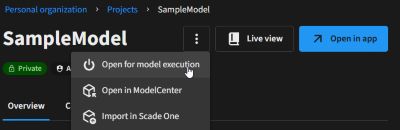
Ansys System Architecture Modeler (SAM)の機能からAnsys Behavior Execution Engine(BEE)を起動
Ansysのツールを使用して、SysMLで定義されたシステムアーキテクチャをシミュレーションおよび解析ツールセットに接続して設計を評価することも可能です。この接続により、システムエンジニアは設計を迅速に反復し、シミュレーションをアーキテクチャの信頼できるソースに直接結び付けて、複数のモデルの一貫性を確保できます。特に、Ansys Behavior Execution Engine(BEE)は、モデルで定義された挙動を活用し、物理ベースの解析ツールと統合して、時間同期されたイベントベースの物理ベースのシミュレーションを可能にします。この優れた機能により、以下のことが可能になります。
- 自動化されたシミュレーションにより、SysML振る舞いモデルの解析および改良を可能にし、デジタルプロトタイプの精度を向上
- 物理ベースの解析ツールの複雑な計算とシミュレーションを統合して、システムの振る舞いを改善
- デジタル運用環境全体で明示的な時間の編成をサポートし、完全かつ正確なシステム間シミュレーションを実現
Ansys 2025 R2では、BEEがSysML v2モデルの実行をサポートし、SAM機能から直接起動できるようになりました。これにより、アーキテクチャモデリングからシミュレーション実行へシームレスに移行できるようになり、BEEで確実にモデルの最新情報を使用できます。BEEはオンラインソースからモデルを直接読み込みますが、ユーザーがカスタムデリゲートモジュールをローカルに提供してモデル実行をサポートすることもできます。
新しいBEEリリースは、式で使用する単位もサポートし、時間相対イベントを定義するために必要な機能も含まれています。業界がSysML v2を採用し始め、言語が進化し続ける中、BEEとSAMの機能により、最新のMBSEワークフローでシステム設計をより迅速かつ効率的に評価できるようになります。




Advantageブログ
Ansys Advantageブログでは、専門家が投稿した記事を公開しています。Ansysのシミュレーションが未来のテクノロジーにつながるイノベーションをどのように推進しているかについて最新の情報をご覧ください。