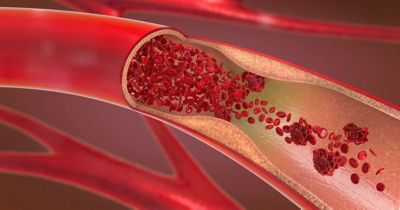
Improving the Biocompatibility of Medical Devices through Thrombosis Modeling
Blood-contacting medical devices such as heart pumps, valves, and oxygenators must not only restore circulation but also preserve the integrity of blood itself. Excessive shear stresses, turbulent flow patterns, and device-induced hemolysis remain significant challenges that compromise patient safety and clinical outcomes. Traditional testing methods to assess blood damage are costly, time-intensive, and limited in their ability to capture the full range of operating conditions a device will encounter. This creates a pressing need for predictive tools that can model complex blood–device interactions early in the design process.