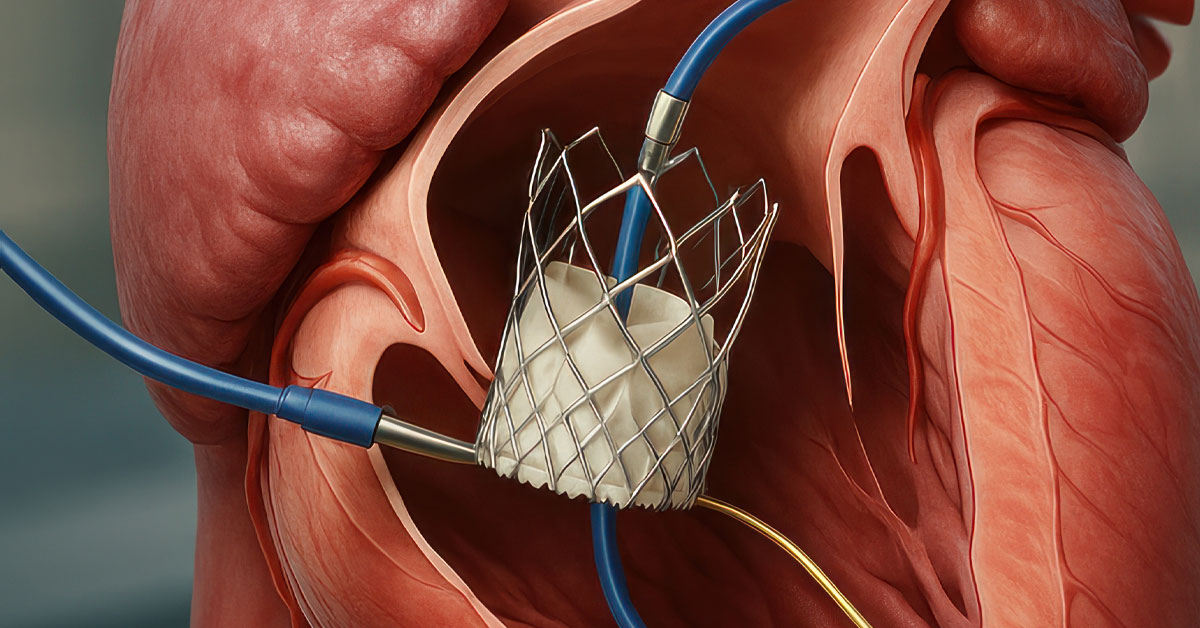
Polymeric Transcatheter Aortic Valve Replacement Device for Bicuspid Aortic Valve Anatomy: In Silico Design Optimization and Evaluation
Bicuspid aortic valve (BAV), the most common congenital heart defect, affects approximately 2% of the population and accounts for nearly half of aortic stenosis (AS) cases, often presenting 10-20 years earlier than in patients with normal tricuspid aortic valves (TAV). Current tissue-based transcatheter aortic valve replacement (TAVR) devices, which were primarily designed around TAV anatomy and later received FDA-approved labeling allowing treatment of BAV patients, remain limited by suboptimal annular fit, paravalvular leak, thrombosis risk, and durability concerns - limitations that are especially consequential for younger BAV patients.
This presentation introduces PolyV-B, a first-of-its-kind polymeric TAVR device tailored to BAV anatomy–developed using a biomimetic approach. The design includes an eccentric, sutureless valve architecture, variable thickness asymmetric xSIBS polymeric leaflets, and a fatigue-optimized nitinol stent design to support anchoring and coronary access. Leveraging the 3DEXPERIENCE platform together with Ansys LS-DYNA as the finite element and fluid–structure interaction (FSI) simulation environment, PolyV-B was evaluated in patient-specific BAV anatomies and benchmarked against the Evolut R, a standard-of-care tissue TAVR device commonly used in BAV patients. The simulations demonstrated a 50% reduction in crimping strain, improved annular conformity and sealing, reduced thrombogenic risk, superior flow characteristics, and a larger effective orifice area relative to Evolut R. By integrating anatomy-specific design with advanced computational modeling, PolyV-B provides a feasibility framework for a durable, hemodynamically efficient, and clinically targeted TAVR solution for the underserved BAV population.