Synopsys and Ansys power the future of innovation—connecting silicon to systems.
-
-
학생용 무료 소프트웨어에 액세스하기
차세대 엔지니어에게 힘을 실어주는 Ansys
학생들은 세계적 수준의 시뮬레이션 소프트웨어를 무료로 이용할 수 있습니다.
-
지금 바로 Ansys에 연결하십시오!
미래를 설계하기
시뮬레이션이 다음 혁신을 어떻게 지원할 수 있는지 알아보려면 Ansys와 연결하십시오.
무료 트라이얼
제품 및 서비스
학습하기
회사 정보
Back
제품 및 서비스
산업용 로봇 공학이란?
산업용 로봇 공학은 로봇 공학의 한 분야로, 제조 및 산업 환경에서 작업을 수행하기 위해 자동화된 기계(로봇)를 설계, 제작 및 배포하는 데 주력합니다.
산업용 로봇은 다양한 특정 작업, 반복 작업 및 위험한 작업을 효율적이고 안정적으로 처리하도록 설계 및 프로그래밍됩니다. 현재 다양한 산업 분야에 배치된 로봇은 인간 작업자와 함께 물류 운영을 최적화하고, 품질 관리 프로세스를 개선하며, 생산 공정을 가속화하는 데 도움을 줍니다.
산업용 로봇은 어디에 사용됩니까?
현재 산업용 로봇은 자동차 산업을 비롯해 첨단 의료 분야에 이르기까지 다양한 산업 전반에서 활용되고 있습니다.
자동차 제조
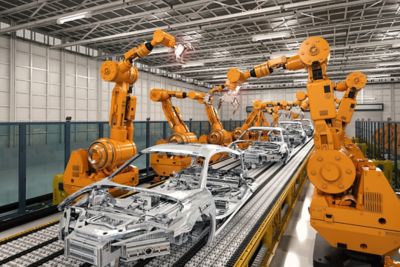
산업용 로봇은 자동차 생산 라인에서 정밀 용접, 도장 및 고속 조립 작업을 수행하는 데 널리 사용됩니다. 2025년 현재 자동차 기업의 약 65%가 산업용 로봇을 사용하는 것으로 추정됩니다. BMW, Tesla, Toyota, Mercedes-Benz와 같은 많은 주요 자동차 기업들은 여러 사업에 산업용 로봇을 도입했습니다. 대부분의 로봇은 관절형 로봇(5축 또는 6축)이고 제조 공정의 정밀도와 안전성을 개선하는 데 사용되며, 접근하기 어렵거나 유독성 연기로 인해 인간 작업자에게 위험도가 너무 높은 곳에서도 용접이 가능하다는 장점이 있습니다. 자동차 산업에서 산업용 로봇을 사용하면 인건비를 절감하고 안전을 개선하며 생산을 가속화하는 동시에 제조 비용을 절감할 수 있습니다.
헬스케어
산업용 로봇은 의료 분야에서 의약품 부품의 멸균 처리 및 검사, 첨단 보철물(외골격 등) 개발, 내시경 로봇 수술 등 다양한 작업에 사용됩니다. 로봇 수술은 산업용 로봇 공학의 최첨단 분야로, 고정밀 관절형 팔과 엔드 이펙터를 사용합니다. 외과 의사는 로봇 팔을 자신의 팔의 연장선으로 사용할 수 있습니다. 현재 매년 200만 건 이상의 로봇 보조 수술이 실시되고 있으며, 의료 로봇 시장은 2030년에는 450억 달러, 2034년에는 540억 달러의 가치가 있을 것으로 추정됩니다.
이 로봇들은 숙련된 외과 의사가 젊은 시절의 수술 실력을 되찾은 것처럼 장시간에 걸친 수술을 계속할 수 있게 해줍니다. 또한 외과 의사가 일반적으로 첨단 의료 서비스에 대한 접근성이 떨어지는 농촌 및 외딴 지역의 환자를 대상으로 원격 수술을 실시하고, 최첨단 의료 시술을 할 수 있게 해줍니다. 단, 시술 중 지연을 방지하기 위해 위성 통신을 통한 양호한 5G 연결이 필수적입니다. 현재 많은 기업들이 의료 분야를 위한 산업용 로봇을 제작하고 있으며, 여기에는 Intuitive Surgical Inc, Stryker, Medtronic, Smith & Nephew, Siemens Healthineers 등이 포함됩니다.
항공우주 및 방위
로봇은 자동차 제조 분야와는 다른 방식으로 항공 우주 분야에 활용됩니다. 생산량이 자동차만큼 높지 않기 때문에 항공 우주 제조 분야에서는 로봇이 많이 사용되지 않습니다. 항공 우주 제조업체는 주로 산업용 로봇을 사용하여 대형 동체 및 기타 중요한 구성 요소에 여러 개의 복합재 시트를 층층이 쌓습니다. 항공 우주 분야의 산업용 로봇은 폐기물을 줄이고 안전을 개선하며 보다 지속 가능한 제조에 기여하는 데 도움이 됩니다.
또한 방위 분야에서도 널리 사용되고 있습니다. 방위 분야에서는 자재 운반 및 매설된 지뢰와 폭탄 탐지, 수중 탐사, 방사능에 오염된 핵 시설 작업과 같은 위험한 탐사 임무에 산업용 로봇을 사용합니다. 산업용 로봇은 인간에게 너무 위험하다고 여겨지는 환경에서 사용됩니다.
NASA와 미국 국방부는 물론 Airbus, Boeing, Lockheed Martin, Northrop Grumman 및 Raytheon과 같은 유명 항공 우주 기업들도 산업용 로봇을 사용하고 있습니다. 이러한 많은 조직은 로봇을 더 스마트하게 만들기 위해 모든 응용 분야에서 첨단 인공지능(AI) 기능과 결합하고 있습니다.
전자 장치 제조
산업용 로봇은 다양한 전자 장치 및 반도체 조립 라인에서도 널리 사용됩니다. 오염에 민감하고 미크론 수준의 정확도와 높은 처리량이 필요한 다양한 작업을 수행하는 데 사용됩니다. SCARA(Selective Compliance Assembly Robot Arm) 로봇 및 델타 로봇은 몸체의 유니버설 조인트에 연결된 세 개의 팔을 가지고 있으며, 전자 장치 제조 분야에서 웨이퍼 취급, 구성 요소 취급 및 납땜과 같은 조립 작업을 수행하는 데 널리 사용됩니다.
국제로봇협회에 따르면 전 세계 전자 장치 업계에서 사용하고 있는 로봇은 약 100만 대이며, 이 중 산업용 전자 구성 요소에 사용되고 있는 로봇만 50만 6,000대입니다. 산업용 로봇의 사용 증가는 생산 수요 증가에 힘입은 것으로, 이러한 수요는 적어도 2030년까지 매년 5.6%씩 성장할 것으로 예상됩니다. 아시아 태평양 지역이 42%의 시장 점유율로 선두를 달리고 있으며, 유럽이 28%, 북미가 23%로 그 뒤를 잇고 있습니다.
물류
물류 부문에서는 비용을 절감하고 효율성을 개선하기 위해 다양한 협업 로봇(코봇)과 모바일 로봇이 사용됩니다. 창고 운영을 자동화하고 인간 운영자는 따라잡을 수 없는 연중무휴 효율성을 제공하는 데 사용됩니다(인간은 휴식이 필요하기 때문입니다). 물류 환경의 산업용 로봇은 자동화된 피킹 및 배치, 분류, 팔레트 적재, 사물 인터넷(IoT) 기반의 스마트 재고 추적, 창고 내비게이션 등 다양한 작업을 수행합니다. Amazon은 물류 로봇 공학을 가장 대규모로 가장 잘 사용하는 사례이며, 현재 Amazon의 창고에는100만 대 이상의 로봇이 배치되어 있습니다. 2027년까지 글로벌 창고 자동화 시장의 규모는 410억 달러가 될 것으로 예상됩니다.
산업용 로봇의 유형
SCARA 로봇
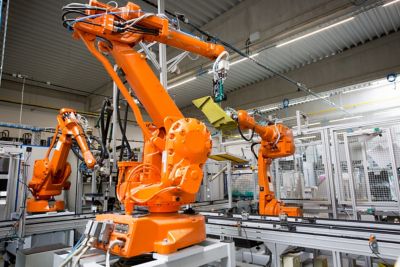
SCARA(Selective Compliance Assembly Robot Arm) 로봇은 주로 수직 도달 거리가 제한되어 있고 수평 운동으로 이동하는 단순한 로봇입니다. 구조가 단순함에도 불구하고, 픽앤플레이스 작업과 같은 평면 작업에서는 관절형 로봇보다 더 뛰어난 성능을 발휘합니다. 이러한 로봇은 크기가 작고 유지보수 요구 사항이 최소화되어 기존 워크플로우에 통합될 수 있기 때문에 전자 장치 및 제약 산업에서 매우 흔하게 사용되고 있습니다.
직교 좌표계 로봇
직교 좌표계 로봇은 적층 제조와 같은 응용 분야에서 흔히 사용되는 단순한 산업용 로봇입니다. 이러한 로봇의 움직임은 선형이며 직교 좌표로 사전 정의됩니다. SCARA 로봇처럼 저렴하고 사용하기 쉽지만 유연성도 제한적입니다. 그러나 자동화 및 협업 워크플로우에 쉽게 통합할 수 있습니다.
델타 로봇
델타 로봇은 델타 D 모양으로 식별할 수 있습니다. 산업 응용 분야에서 가장 빠른 로봇 중 하나이므로 고속 픽앤플레이스 작업에 자주 사용됩니다. 장기간에 걸쳐 높은 속도를 유지할 수 있기 때문에 포장, 제약 및 전자 장치 산업에서 널리 사용되고 있습니다. 그러나 여러 개의 팔, 병렬 연결 장치가 있고 엔드 이펙터(역운동학이라고 함) 대신 고정된 몸체에서 팔의 움직임을 제어하기 때문에 다른 로봇보다 복잡합니다.
원통 좌표계 로봇
원통 좌표계 로봇은 다른 로봇 팔과 약간 다릅니다. 축에서 움직이는 것이 아니라 위아래로 움직일 수 있는 기본 팔이 있으며, 팔을 접었다 폈다 하는 움직임을 생성합니다. 원통 좌표계 로봇은 3D 좌표계를 사용하여 이동할 위치를 지정하고 작업을 수행합니다. 원통 좌표계 로봇은 핸들링 작업, 스폿 용접, 주조 및 성형, 코팅 및 마감, 자동 컨베이어 벨트 작업에 사용됩니다.
모바일 산업용 로봇
모바일 산업용 로봇은 시설을 돌아다닐 수 있는 로봇입니다. 모바일 산업용 로봇에는 크게 유도형 로봇과 비유도형 로봇이라는 두 가지 유형이 있습니다.
유도형 모바일 로봇은 AGV(Automated Guided Vehicle)라고 하며 시설 주변의 고정된 경로를 따르므로 어느 시점에서든 경로를 벗어나지 않습니다. Amazon 창고 내부의 많은 로봇은 AGV입니다. 또한 반도체 제조 분야에서도 널리 사용됩니다.
비유도형 모바일 로봇을 자율 주행 모바일 로봇(AMR)이라고 합니다. 이러한 로봇은 다양한 센서(예: 카메라, 라이다, 초음파, 적외선, 관성 측정 장치(IMU) 센서)와 동시 국부화 및 매핑(SLAM) 알고리즘을 사용하여 유도형 경로 없이 시설을 자율적으로 탐색하여 도중에 장애물을 피하고 초기 경로가 차단된 경우 자율적으로 새로운 경로를 찾습니다. AMR은 공장 바닥, 창고, 보안 및 감시 운영, 탐사 임무, 병원의 장비 운송을 비롯한 많은 응용 분야에서 사용됩니다.
협업 로봇(코봇)
코봇은 서로 충돌하지 않고 협업 방식으로 인간과 함께 작동하도록 설계된 로봇 시스템입니다. 다양한 유형의 로봇이 코봇에 해당하기 때문에 코봇은 다른 로봇 범주와 쉽게 구분하기 어렵습니다. 모든 고정식 로봇은 협업 방식으로 작동하도록 설계될 수 있지만, 코봇은 높은 정밀도, 안전 프로토콜, 공간 인식 및 통신 시스템이 함께 작동해야 하기 때문에 더 복잡합니다. 인식 및 시각적 이미지 인식은 한정된 작업 공간에서 로봇 팔이 다른 로봇 팔 또는 인간 작업자와 충돌하지 않도록 하는 데 핵심적인 역할을 하기 때문에 센서는 코봇의 중요한 부분입니다. 이러한 로봇은 인더스트리 5.0에 중요하며 머신러닝 및 AI의 최신 발전 성과를 지원합니다.
산업용 로봇 분야의 새로운 혁신 기술 및 동향
오늘날 많은 산업용 로봇 시스템이 이미 구축되었지만 새로운 기술 발전은 현대 로봇 공학의 가능성을 계속 넓히고 있습니다.
휴머노이드 로봇
로봇 공학이 발전함에 따라 기능성 휴머노이드 로봇이 점점 더 효율적으로 개선되고 있으며 널리 채택되고 있습니다. 인간과 같은 휴머노이드 로봇은 그리퍼, 조작기 및 기타 부속물을 사용하여 섬세한 작업을 수행합니다. 로코모션 및 인텔리전스 기술 분야의 많은 첨단 기술이 휴머노이드 로봇에 적용되고 있지만, 여전히 몇 가지 기술 병목 현상이 존재합니다.
고급 센서 및 하드웨어 개발
AMR 및 코봇의 개발이 증가함에 따라 첨단 센서 기술 분야에서 새로운 혁신이 이루어졌습니다. 이러한 로봇은 안전을 위해 고급 센서, 이미지 인식 및 통신 기술을 사용하는 지능형 인식 기능이 필요합니다. 이제 로봇은 다중 조인트와 많은 통합 센서를 가지고 있으므로 적절한 조치를 취할 수 있도록 모든 센서 데이터를 처리하고 해석하기 위해 복잡한 알고리즘도 필요합니다. 이 때문에 최신 로봇에서 고급 중앙 처리 장치(CPU)와 그래픽 처리 장치(GPU)가 더욱 중요해졌습니다. 또한 5G/6G를 통한 지연 없는 통신은 로봇(특히 다른 로봇/인간과 함께 움직이거나 상호 작용하는 로봇)을 제어하는 데 점점 더 중요한 역할을 하고 있습니다.
소프트 로봇 공학
소프트 로봇 공학은 최근 몇 년 동안 많은 발전이 이루어진 또 다른 분야입니다. 소프트 로봇 공학은 강성 금속 구조 대신 폴리머, 탄성중합체, 하이드로겔과 같이 보다 섬세하고 부드러운 재료로 만들어집니다. 소프트 로봇은 휴머노이드 로봇의 조인트 및 액추에이터의 일부로 사용되어 여러 모터 없이도 더 많은 유연성과 범위를 제공할 수 있지만, 이러한 연성 재료는 동물 행동을 모방하는 독립형 로봇(주로 초소형)을 제작하는 데도 사용할 수 있습니다.
인공지능(AI) 및 머신러닝(ML) 통합
AI/ML 통합은 모든 로봇 영역에서 증가하고 있으며, 이는 고급 인식 및 감지 기능을 갖춘 산업용 로봇을 만드는 데 도움이 되고 있습니다. 예를 들어, 여러 센서와 비전 시스템의 데이터를 결합하여 시각 데이터를 더욱 정확하게 해석함으로써 픽앤플레이스 작업을 위해 물체의 모양과 크기를 식별하거나, 자율 주행 중 장애물을 피하거나, 사람의 팔 동작을 더 잘 인식하는 등의 발전이 이루어졌습니다. 또한 AI/ML은 고급 의사 결정 및 "what-if" 시나리오 해석을 위해 다양한 산업용 로봇에 인간의 인지 및 인텔리전스를 구축하는 데 도움을 주고 있습니다. AI는 운영 측면에서 로봇의 센서 데이터와 함께 예측 유지 보수에 활용되어 고장 및 가동 중지 시간을 줄이고 생산성을 향상시키는 데 일조합니다.
산업용 로봇의 장단점
많은 제조 및 창고 운영에서 로봇이 대세가 되었습니다. 로봇은 유용하고 많은 장점이 있지만 단점도 있습니다.
산업용 로봇의 장점
- 많은 응용 분야에서 생산성 및 운영 속도 향상
- 무겁고 위험한 화물(예: 핵 폐기물)을 들어 올리는 능력이 개선되어 산업 현장의 안전 기준 향상
- 고위험 건설 현장 및 기반 시설 개발 현장(예: 터널)에서 인명 피해를 방지하기 위해 사용됨
- 스마트 제조 환경에서 의사 결정 능력 향상 및 컨베이어 벨트 위의 원치 않는 물체 제거
- 생산성과 처리량이 높아져 시간이 지남에 따라 비용 절감, 폐기물 감소
산업용 로봇의 단점
- 높은 선행 비용(많은 산업용 로봇이 조달 및 설치에 비용이 많이 들기 때문)
- 로봇 도입으로 인해 다양한 산업에서 일자리가 사라질 수 있으므로 현재 직원들의 고용 안정성에 대한 우려 증가
- 로봇의 복잡성으로 인해 문제가 발생할 경우 비용 증가
- 소프트웨어 및 하드웨어 업데이트를 포함한 지속적인 유지 관리 증가, 비용이 많이 들 수 있음
- 로봇에 내장된 카메라, 마이크 및 센서로 인한 개인 정보 보호 우려 증가
- 사람들이 코봇 및 보조 로봇과 함께 작업할 때 인체 안전 문제 발생 가능성 증가
산업용 로봇 공학에서 시뮬레이션 사용
기능이 서로 다르지만 함께 작동해야 하는 여러 구성 요소가 추가되면서 로봇이 점점 더 복잡해짐에 따라, 시뮬레이션과 고급 모델링을 사용하면 설계 프로세스를 간소화하여 불필요하고 비용이 많이 드는 프로토타입 제작 단계를 생략할 수 있습니다.
시뮬레이션은 로봇 설계 프로세스의 모든 단계에서 사용할 수 있습니다. 개념 설계 단계에서 설계자는 지오메트리, 조인트, 액추에이터 및 센서와 관련된 가능성을 탐색하고 환경 제약 조건을 연구할 수 있습니다. 상세 설계 단계에서 운동학 및 동역학 해석의 정확도를 높이면 설계의 진동 성능 및 내구성 측면을 더욱 명확히 파악할 수 있습니다. 엔지니어는 또한 다중물리 시뮬레이션을 수행하여 온도, 습기 또는 전자기장이 산업용 로봇 설계에 미치는 영향을 확인할 수 있습니다. 산업용 로봇은 시스템 수준뿐만 아니라 구성 요소 수준에서도 시뮬레이션할 수 있습니다.
산업용 로봇 설계를 시뮬레이션하고 개선하는 데 사용되는 몇 가지 Ansys 솔루션은 다음과 같습니다.
Ansys Motion 다물체 동역학 시뮬레이션 소프트웨어: 조인트 움직임이 엔드 이펙터 위치에 어떤 영향을 미치는지, 그리고 다양한 하중 조건이 주요 위치에서 어떤 힘과 토크 차이를 유발하는지 파악하는 데 사용됩니다.
Ansys Maxwell 고급 전자기장 솔버: 로봇 모터 및 제어 시스템을 설계하는 데 사용됩니다.
Ansys Mechanical 구조 유한 요소 해석 소프트웨어, Ansys Sherlock 전자 장치 신뢰성 예측 소프트웨어, Ansys SIwave PCB(인쇄 회로 기판) 및 패키지 전자기학 시뮬레이션 소프트웨어: 개별 구성 요소 및 시스템의 물리적 거동과 이러한 시스템에 가해지는 힘을 조사하는 다중물리 접근 방식을 제공하는 데 사용됩니다.
Ansys Twin Builder 시뮬레이션 기반 디지털 트윈 플랫폼: 시스템 수준 모델을 개발하는 데 사용되는 디지털 트윈 소프트웨어입니다.
Ansys LS-DYNA 비선형 동역학 구조 시뮬레이션 소프트웨어: 충돌 후 자체적 피해 및 환경의 피해 정도를 판단하는 데 사용됩니다.
Ansys HFSS 고주파 전자기 시뮬레이션 소프트웨어: 첨단 산업용 로봇의 안테나 및 통신 시스템을 설계하고 다양한 전자기 센서를 모델링하는 데 사용됩니다.
Ansys Lumerical 포토닉 구성 요소 시뮬레이션 소프트웨어, Ansys Zemax OpticStudio 광학 시스템 설계 및 해석 소프트웨어, Ansys Speos CAD 통합 광학 및 조명 시뮬레이션 소프트웨어: 개별 광원 생성부터 구성 요소, 시스템 및 환경 수준 시뮬레이션에 이르기까지 광학 구성 요소 및 비전 시스템과 같은 광학 센서를 설계하는 데 사용됩니다.
다중물리 접근 방식이 더 발전하고 더 안전한 산업용 로봇을 설계하는 데 어떤 도움이 되는지 자세히 알아보려면 지금 당사 기술 팀에 문의하십시오.
관련 리소스
시작하기
엔지니어링 과제에 직면하고 있다면우리 팀이 도와드리겠습니다. 풍부한 경험과 혁신에 대한 헌신을 가지고 있는 우리에게 연락해 주십시오. 협력을 통해 엔지니어링 문제를 성장과 성공의 기회로 바꾸십시오. 지금 문의하기