Product Specs
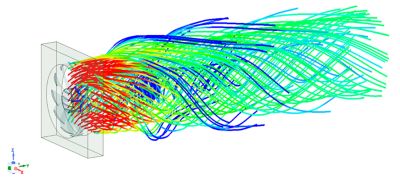
Perform conduction, convection and radiation conjugate heat transfer analyses, with many advanced capabilities to model laminar and turbulent flows, and species analysis including radiation and convection.
차세대 엔지니어에게 힘을 실어주는 Ansys
학생들은 세계적 수준의 시뮬레이션 소프트웨어를 무료로 이용할 수 있습니다.
미래를 설계하기
시뮬레이션이 다음 혁신을 어떻게 지원할 수 있는지 알아보려면 Ansys와 연결하십시오.
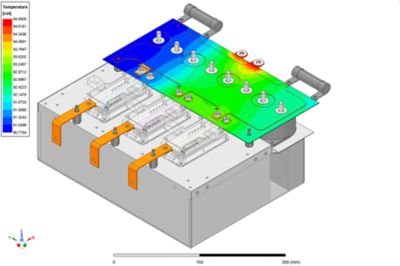
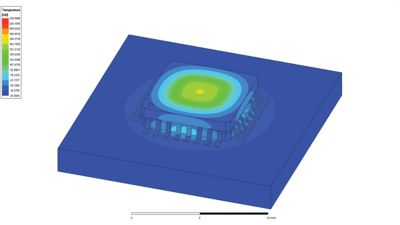
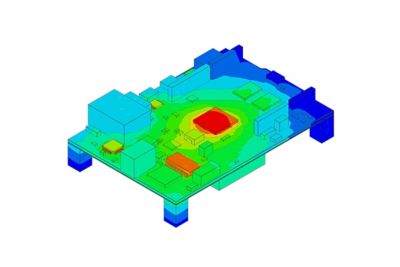
Ansys Icepak은 전자장치 열 관리를 할 수 있는 CFD 솔버입니다. IC 패키지, PCB, 전자 부품/인클로저, 전력전자 제품에서 유동, 온도 및 열 전달을 예측할 수 있습니다.
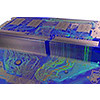
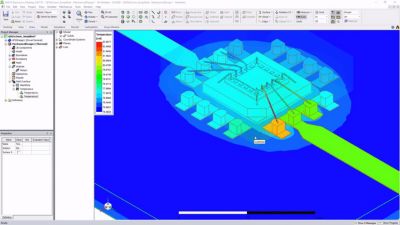
Ansys Icepak provides powerful electronic cooling solutions that utilize the industry leading Ansys Fluent computational fluid dynamics (CFD) solver for thermal and fluid flow analyses of integrated circuits (ICs), packages, printed circuit boards (PCBs) and electronic assemblies. The Ansys Icepak CFD solver uses the Ansys Electronics Desktop (AEDT) graphical user interface (GUI).

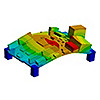
For any electromagnetic designs in HFSS, Maxwell or Q3D, Mechanical thermal solution in Electronics Desktop provides an FEA thermal solution allowing design engineers the ability to get quick thermal insights into a design without any complicated setup and analysis in the same environment. Thus, reducing the time to to market significantly.
Perform conduction, convection and radiation conjugate heat transfer analyses, with many advanced capabilities to model laminar and turbulent flows, and species analysis including radiation and convection.
Lorem Ipsum has been the industry's standard dummy text ever since the 1500s, when an unknown printer took a galley of type and scrambled it to make a type specimen book. It has survived not only five centuries
Creotech implements leading-edge methodologies developed by the European Space Agency to design, assemble and integrate critical equipment that meets space standards.
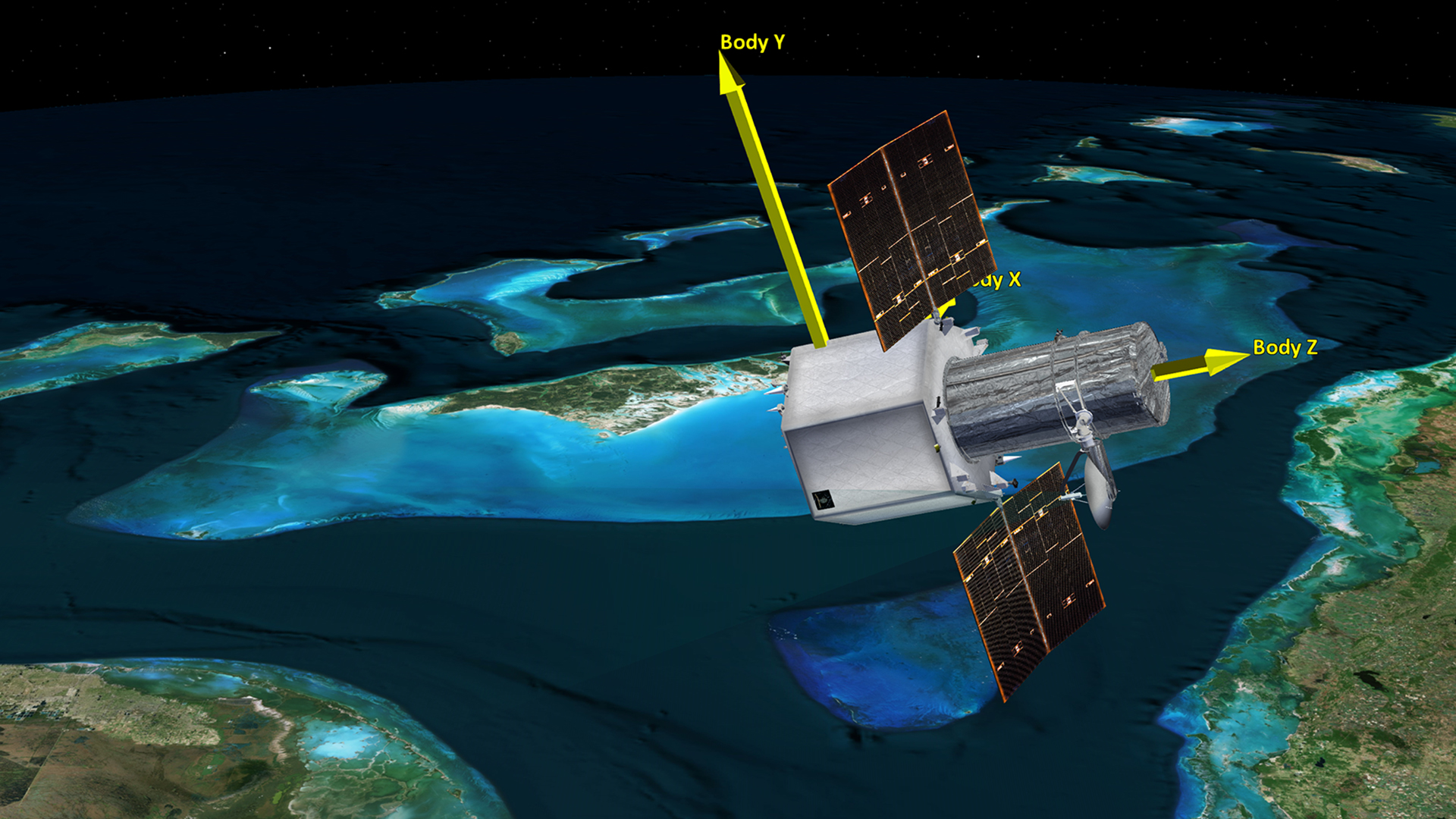
Repairing orbiting microsatellites is impossible due to extreme logistical challenges. Satellite engineers must ensure that equipment is space-proven and extremely reliable before launch. Creating individual satellite components generates high costs, requiring satellite integrators to meet stringent design requirements and satisfy high production process standards. Creotech Instruments’ use of multiphysics simulation effectively addresses these complex challenges.
Lorem Ipsum has been the industry's standard dummy text ever since the 1500s, when an unknown printer took a galley of type and scrambled it to make a type specimen book. It has survived not only five centuries
March 2026
The 2026 R1 adds major speed and productivity gains: faster simulations and post-processing, improved mesh and Joule heating solvers, better PCB/STM workflows, clearer CTM visualization, and streamlined geometry modeling.
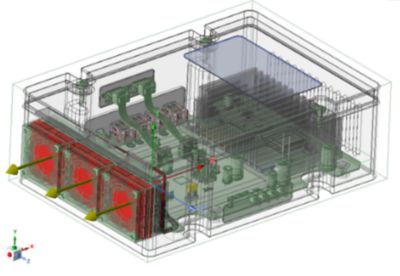
Major performance and and productivity upgrades − faster simulations, parallelized post-processing, clearer CTM visualization, streamlined geometry modeling, and improved PCB data workflows, and more − enabling engineers to iterate quicker, analyze results faster, and deliver more accurate thermal designs with less manual effort.
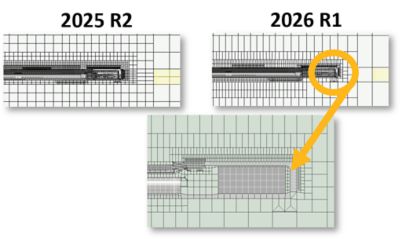
Boosts meshing and multiphysics reliability with improved mesh fusion, a native CPU/GPU Joule heating solver, and faster network modeling. It also enhances boundary setup, system-level thermal control, and produces higher-quality auto-hexa meshes, enabling more accurate, stable simulations and smoother workflows.
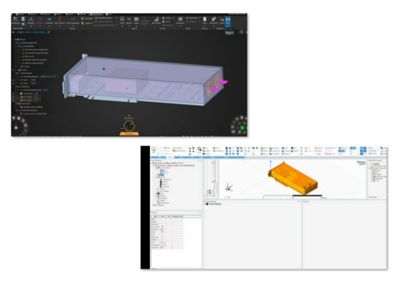
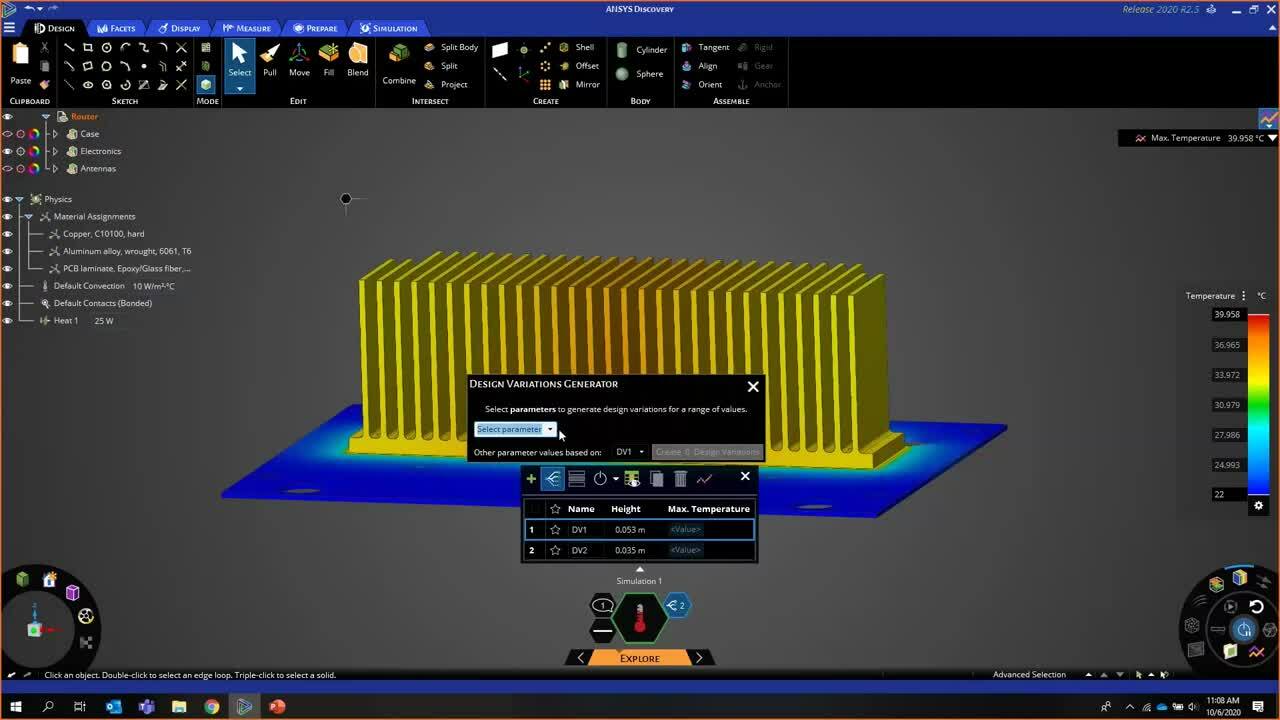
Icepak’s STM workflow is now faster and easier, with a 3–5x quicker setup, 80% far fewer clicks, and more stability. STM creation is optimized with automatic reporting and flexible steady-state/transient options. The Ansys Discovery-to-Icepak connection automates physics transfer, speeding system-level thermal modeling.
With CAD-centric (mechanical and electrical CAD) and multiphysics user interfaces, Icepak facilitates the solving of today’s most challenging thermal management problems in electronics products and assemblies. Icepak uses sophisticated CAD healing, simplification and metal fraction algorithms that reduce simulation times, while providing highly accurate solutions that have been validated against real-world products. The solution’s high degree of accuracy results from the highly automated, advanced meshing and solver schemes, which ensure a true representation of the electronics application.
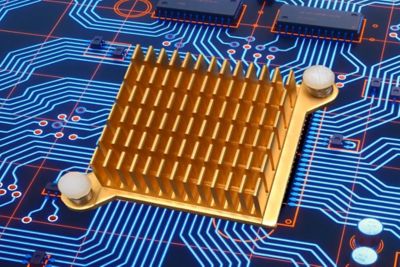
Icepak includes all modes of heat transfer — conduction, convection and radiation — for steadystate and transient electronics cooling applications.
Work Smarter with Product Bundles
Improve wireless communications, boost signal coverage and maintain connectivity for antenna systems, predict product performance and establish safe operating temperatures with these product pairings.
| Electromagnetic Losses with Thermal Coupling For Temperature-Dependent Antenna Performance Assessment (Icepak & HFSS) |
|---|
| Ensuring the thermal stability of antenna-enabled 5G infrastructure, automotive radar, IoT devices and mobile electronic devices is critical in producing expected behavior. Power hungry activity such as video calls, online-based games or varying environmental conditions causes significant swings in device temperatures. If a phone’s battery becomes too hot, it can lose charge or even create safety issues. Also, high temperatures can affect other electronic components within a phone and impact RF antenna performance. Breakdown of a phone’s connectivity with mobile carriers, Bluetooth or Wi-Fi is traceable to thermal problems. You can predict these issues before you build the hardware by simulating your design using Ansys tools. For example, electrical engineers can dynamically link Ansys HFSS and Ansys Icepak in the Electronics Desktop to simulate the temperature of the antenna. Based on the electromagnetic and thermal coupling solutions, they can modify antenna design and predict antenna efficiency and the overall thermal and EM performance of the product. These EM and thermal simulations help to improve wireless communications, boost signal coverage and maintain connectivity for antenna-enabled systems. |
| Board-Level Electrothermal Coupling (Icepak and SIwave) |
| Even a marginal rise in temperature can affect the performance and reliability of electronic components, leading to system-wide problems. Board-level power integrity simulations within SIwave can be combined with Icepak thermal simulations to get a complete picture of a PCB’s electrothermal performance. SIwave and Icepak automatically exchange DC power and temperature data to calculate Joule heating losses within PCBs and packages to obtain highly accurate temperature field and resistive loss distributions. These DC electrothermal solutions let you manage the heat produced by your designs and predict thermal performance and safe operating temperatures of chips, packages and boards. |
ICEPAK RESOURCES & EVENTS
Learn about the latest updates and newest functionality in Ansys Icepak and Mechanical in AEDT.
This webinar showcases Icepak’s solutions for power electronics.
This webinar will demonstrate an automated process of thermal modeling of printed circuit boards.
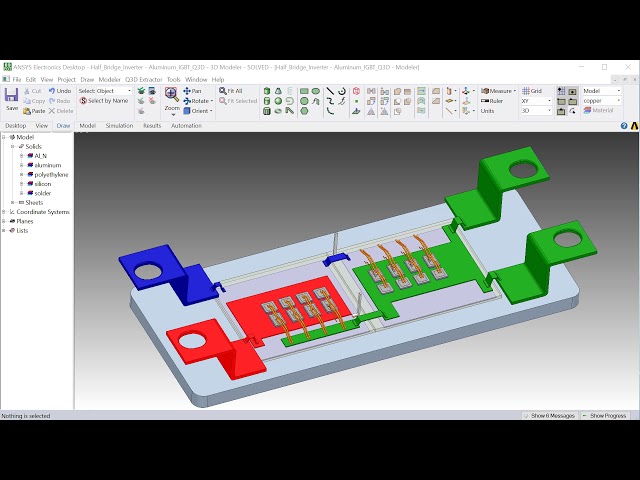
This video demonstrates how to set up a half bridge inverter in order to perform an electrothermal analyses. To perform the analyses, The electromagnetic (EM) power losses of the power converter from Ansys Q3D Extractor are linked to Ansys Icepak.
Ansys Icepak software provides robust and powerful computational fluid dynamics (CFD) for electronics thermal management. Icepak combines advanced solver technology with robust meshing options designed to provide fast and accurate thermal results for electronics cooling applications.
Beat the heat with Ansys Icepak, a premier simulation tool to perform electro-thermal and standalone thermal analyses of electronic designs.
It's vital to Ansys that all users, including those with disabilities, can access our products. As such, we endeavor to follow accessibility requirements based on the US Access Board (Section 508), Web Content Accessibility Guidelines (WCAG), and the current format of the Voluntary Product Accessibility Template (VPAT).
엔지니어링 과제에 직면하고 있다면우리 팀이 도와드리겠습니다. 풍부한 경험과 혁신에 대한 헌신을 가지고 있는 우리에게 연락해 주십시오. 협력을 통해 엔지니어링 문제를 성장과 성공의 기회로 바꾸십시오. 지금 문의하기