Synopsys and Ansys power the future of innovation—connecting silicon to systems.
-
-
学生向け無料ソフトウェアにアクセス
Ansysは次世代の技術者を支援します
学生は、世界クラスのシミュレーションソフトウェアに無料でアクセスできます。
-
今すぐAnsysに接続!
未来をデザインする
Ansysに接続して、シミュレーションが次のブレークスルーにどのように貢献できるかを確認してください。
無料トライアル
製品およびサービス
リソースとトレーニング
当社について
Back
製品およびサービス
オプトエレクトロニクスとは
オプトエレクトロニクス(オプトロニクスとも呼ばれる)は、フォトニクスの単なる一分野ではなく、光学とエレクトロニクスを融合した中核的な分野であり、通信、イメージング、センシング、エネルギーの各分野のイノベーションを支えています。オプトエレクトロニクスはこの2つの分野の境界あり、光の放射または検出に関わる独自のデバイス群として確立されています。
具体的には、オプトエレクトロニクスデバイスは光を取り込んで電子出力へ変換するか、あるいは電子入力を受け取って光へ変換する役割を担います。オプトエレクトロニクスデバイスは、エネルギーの形態を別の形態へ変換するという点で、トランスデューサーとして分類することもできます。
オプトエレクトロニクスデバイスは、自動車、軍事・防衛、航空宇宙、エネルギー、医療、コンシューマー向けエレクトロニクス、通信など、数多くのハイテク業界で不可欠なものとなっています。現在使用されている主なオプトエレクトロニクス部品には、以下のものがあります。
- フォトダイオード
- レーザーダイオード
- 発光ダイオード(LED)およびマイクロLED
- フォトレジスタ
- 太陽電池(太陽光発電)
- 光ファイバーケーブル
- フォトトランジスタ
- 光検出器
これらの業界において、オプトエレクトロニクスデバイスは以下のような幅広い用途で使用されています。
- カメラ
- 医療用画像/医療用センサー(内視鏡など)
- 医療診断(心拍数モニターなど)
- LiDARおよびその他の自動車用センサー
- ディスプレイ
- 遠隔誘導システム
- レーザー
- スマートフォンやスマートウォッチからLED照明、コーヒーマシン、最新の家電製品などの身近な電子機器
- 光感受性スイッチングデバイス
- レーザープリンター
オプトエレクトロニクスと、エレクトロニクスおよび光学の違い
従来の半導体エレクトロニクスおよび光学では、電子を用いて電磁情報信号を伝送します。オプトエレクトロニクスは、紫外線、可視光、赤外線波長など、光に由来する情報も扱う点で、従来のエレクトロニクスと異なります。
光を受動的に成形する純粋な光学システム(鏡、レンズ、フィルターなど)とは異なり、オプトエレクトロニクスデバイスは光信号と電気信号を能動的に変換することで、カメラ、光ファイバー、レーザー、光検出器などの技術を支えています。これらのデバイスは、偏光など、光学部品を通過する光波の電磁界とより直接的に相互作用します。
オプトエレクトロニクスと電気光学の違い
オプトエレクトロニクスは電気光学デバイスとも関連しますが、この2種類のハイブリッド光電子デバイスを区別する違いがあります。
オプトエレクトロニクスデバイスと電気光学デバイスはいずれも光波や電場と相互作用しますが、その相互作用の仕方が異なります。オプトエレクトロニクスデバイスは電気信号と光信号を相互に変換するものであるのに対し、電気光学デバイスは、電場によってデバイス内の材料の光学特性を利用し、光を制御・変調・操作することに重点を置いています。電気光学デバイスの例としては、光スイッチ、変調器、高周波増幅器などが挙げられます。
オプトエレクトロニクスデバイスの基本的なメカニズム
オプトエレクトロニクスデバイスは、光電効果、光起電力効果、エレクトロルミネセンス、および誘導放出などの複数の基本的なメカニズムによって支えられています。
光電効果
光電効果とは、物質に光が照射された際に電子が放出される現象のことです。光子のエネルギーはその周波数に直接比例し、そのエネルギーが材料の仕事関数を上回ると、十分なエネルギーが伝達され、電子が物質から放出されることになります。
光電効果に利用するオプトエレクトロニクスデバイスは多数あります。たとえば、フォトダイオードは光を検出して電気信号に変換するために、フォトトランジスタはセンサーやスイッチの光信号を増幅するために、さらに太陽電池は太陽光を電力に直接変換するために、この効果を利用します。
光起電力効果
光起電力効果は、物質に光が照射されたときに、電子が物質内に留まったまま、自然な基底状態にある電子よりも高いエネルギー状態になる現象です。光のエネルギーにより、電子と正孔(電荷キャリア)が半導体接合部を通過すると、電流が発生し、外部回路に流れます。これは、太陽光から電圧と電流を生成する太陽電池に利用される効果ですが、フォトダイオードやフォトトランジスタにも使用されています。
エレクトロルミネセンス
エレクトロルミネセンスとは、固体材料が電場または電流と相互作用することで、光が放出される光学現象です。この現象によって励起された電子は、電子と正孔(電荷キャリア)の放射再結合の過程で、そのエネルギーを光として放出します。半導体材料で見られるエレクトロルミネセンスは、ディスプレイ技術で使用されています。
誘導放出
誘導放出は、励起された原子内の電子が特定の周波数の光子と相互作用する光学プロセスです。励起された電子はエネルギー準位を下げ、そのエネルギーを局所的な電磁界に放出します。これにより、入射光波と同じ偏光と周波数を持つ新たな光子が生成され、2つの光子がコヒーレントな状態になります。光学信号を増幅するこのプロセスは、レーザー光を生成するためによく利用されます。
オプトエレクトロニクスの応用
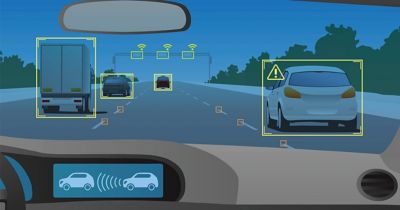
車両には、オプトエレクトロニクス部品に依存する以下のようなさまざまなセンサーが組み込まれています。
- 相補型金属酸化膜半導体(CMOS)センサー:自動運転車や先進運転支援システム(ADAS)において、周辺環境を認識するために使用されます。
- 電荷結合素子(CCD)カメラ:自動運転で使用されるもう1つの撮像カメラですが、特に低照度条件下で有用です。
- LiDAR:障害物や車両を追跡して、車両周辺の環境の3Dマップを作成します。自動運転車やADASで広く使用されています。
ADAS、バックカメラ、自動操縦などの自動運転機能が増えていくにつれ、より高度な光学センサーが車両に組み込まれるようになりました。これらのセンサーの中には、可視光を利用するものもあれば、赤外線信号の送受信を利用するものもあります。現代の車両では、周囲をより正確に把握するために、受動型センサーと能動型センサーの両方が使用されています。自動車業界がより高度な自動運転車へと移行するにつれ、オプトエレクトロニクスをベースとしたより多くのセンサーが組み込まれ、車両周辺の環境をより高精度に認識できるようになると考えられます。
電気通信
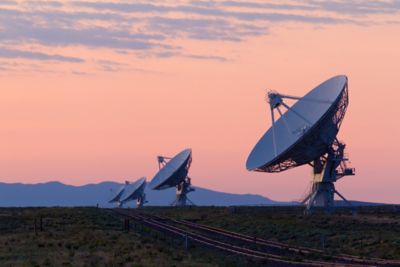
オプトエレクトロニクスは、光ファイバーだけでなく、レーザーやフォトニック集積回路(PIC)の恩恵もあり、現代の電気通信において重要な役割を担うようになっています。
これらのシステムでは、半導体レーザーダイオードが電子データを光に変換すると、その光が光ファイバーにパルスとして入射され、長距離を伝搬します。この光信号は、光ファイバーのコアとクラッド間の屈折率差をガイド(導波路)として利用することで、ファイバーに沿って伝送されます。受信側に到達した光信号は、光検出器を備えたトランシーバによって、電気信号に戻されます。光は電子よりもはるかに高速に長距離を移動できるため、このプロセスにより、光を用いた電子データの高速転送が可能になるのです。
レーザー、変調器、検出器などの部品を小型のチップ(前述のPIC)に統合していくことで、ネットワークの高速化、小型化、および効率化が実現しています。この一連の仕組みにより、インターネットやモバイルネットワークが膨大なデータを高速で処理できるようになっています。
医療用画像/カメラ
医療分野では、オプトエレクトロニクスデバイスが内視鏡に使用されています。内視鏡はオプトエレクトロニクスによって小型化されており、オプトエレクトロニクス技術の進化とともに、その手法の低侵襲化が進んでいます。
従来の内視鏡検査に加え、オプトエレクトロニクスは新しく、より高度な手法の開発にも貢献しています。その一例が、患者が飲み込めるカプセル内視鏡です。この内視鏡は消化管を通過しながら画像を撮影するもので、従来の内視鏡検査よりも患者の負担が少ないプロセスとなっています。
コンシューマー向けエレクトロニクス製品
オプトエレクトロニクスは、多くのコンシューマー向けエレクトロニクス製品に採用されています。照明とディスプレイを内蔵した現代の機械のほとんどは、オプトエレクトロニクスを使用しています。いくつかの例を以下に挙げます。
- LED:LEDは、身近な照明製品に広く使用されています。また、美的照明を備えた消費財の照明源としての役割を果たしているほか、高画質と低消費電力を実現することから、LEDおよび有機発光ダイオード(OLED)テレビ、スマートフォン、ノートパソコン、コンピュータモニターにも採用されています。
- イメージセンサー(CCD、CMOSセンサー):これらのセンサーは、デジタルカメラやウェブカメラなど、多くの画像および映像関連製品に利用されています。
- その他のセンサー:コンシューマー向けエレクトロニクス製品には、ほかにもさまざまなオプトエレクトロニクスセンサーが使用されています。主な例としては、リモートコントロール用の赤外線センサー、AR/VRヘッドセット用の深度センサー、スマートホームオートメーション用の光学モーションセンサーなどが挙げられます。
- レーザーダイオード:レーザーダイオードは、通信技術、光ストレージ技術、バーコードスキャナーに使用されています。
- フォトカプラー(光アイソレータ):これらの光インターコネクトは、集積回路間で電子信号を光で伝送しながら、相互に電子的に絶縁された状態を維持します。電源、モータ、データ収集システム、通信インターフェースで広く使用されています。
太陽電池
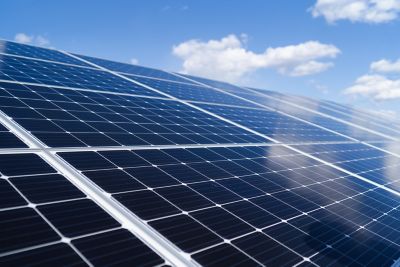
太陽電池はそれ自体が光電子デバイスですが、非常に大きな応用分野でもあります。特に現在では、脱炭素エネルギーの割合を高めるために多くのソーラーパネルが設置され、電力網に組み込まれています。ソーラーパネルは住宅や企業に設置できるだけでなく、ソーラーパネルアレイとして、大規模なユーティリティファームに設置することもできます。
太陽電池には多様な種類が存在し、従来のシリコン太陽電池からグラフェン強化太陽電池、ペロブスカイト太陽電池、有機太陽電池、フレキシブル・透明太陽電池、色素増感太陽電池(DSSC)まで多岐にわたります。また、単一のp-n接合または多接合を採用している太陽電池は、単一パネルまたは両面モジュールとして販売されています。
オプトエレクトロニクスの利点と欠点
オプトエレクトロニクスデバイスには多くの種類があり、その利点の多くは個々のデバイスと、それが組み込まれる用途に左右されます。オプトエレクトロニクスの利点の例としては、以下のものが挙げられます。
- カメラは目の前の物体を明確に認識して識別できますが、レーダーなどの純粋な電子システムは物体を検出するだけで、識別はできません。
- 照明分野において、エネルギー効率、明るさ、画質の面でLEDに匹敵するものはありません。
- オプトエレクトロニクスは、通信技術により高い帯域幅を提供できます。
- オプトエレクトロニクスは、多くの電子機器よりも低消費電力です。
- オプトエレクトロニクスは、電子システムよりもはるかに長い距離で情報とデータを伝送できます。
- オプトエレクトロニクスは、多くの電子機器よりもコスト効率に優れています。
オプトエレクトロニクスデバイスには、以下のような欠点があります。
- レーダーは、霧を含む多くの環境で機能しますが、カメラやLiDARは劣悪な環境下では誤警報を引き起こします。
- カメラはレーダーよりも高価です。
- 製造上のわずかなばらつきや不具合によって、デバイスの性能に大きな影響が及ぶ可能性があります。
- 用途によっては、既存のアーキテクチャにオプトエレクトロニクスデバイスを統合することが困難な場合があります。
- オプトエレクトロニクスデバイスでは、熱が大きな問題となります。オプトエレクトロニクス部品がさらに小型化され、電力要件が高まるにつれ、過熱や破損を防ぐための新しい熱マネジメントオプションが必要になります。
オプトエレクトロニクス設計のシミュレーション
オプトエレクトロニクスデバイスの製造は極めて重要なプロセスです。光学部品にほこりが付着すると、センサーは周囲環境を検出できなくなり、半導体エレクトロニクスに欠陥があれば、光学信号と電子信号の変換時に処理エラーが発生する可能性があります。
繰り返しプロトタイピングを実施することを避けたい場合には、シミュレーションを利用することで、以下のことが可能となります。
- オプトエレクトロニクス部品を統合した製品を開発し、その機能を検証すること
- 材料の最適な選択肢を特定すること
- 光波とデバイスの相互作用をシミュレーションすること
- 光学部品がより広範な電子システムにどのように組み込まれるかを確認すること
- 光学部品を設計し、この部品を機械的支持構造に統合した際に発生する複屈折などの機械的影響を確認すること
- 熱、気流、液流などの環境刺激がオプトエレクトロニクスデバイスに与える影響を把握すること
- オプトエレクトロニクスデバイスの設計および製造に携わるエンジニアのコストと時間を節約すること
- 実験的手法だけでは導き出せない挙動を発見すること
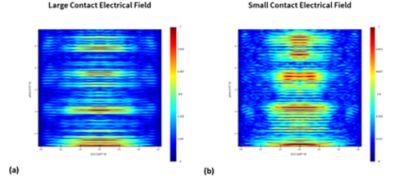
高度な3D電磁界FDTDシミュレーションソフトウェアAnsys Lumerical FDTDを使用し、(a)大きな電気接点と(b)小さな電気接点を持つ垂直型光検出器をシミュレーションしたところ、2次元横方向電場分布が確認できた。
Ansysでは、オプトエレクトロニクスデバイスのシミュレーションをサポートするために、以下のツールを提供しています。
Ansys Lumerical:Lumericalは、オプトエレクトロニクスデバイスのナノフォトニック挙動のシミュレーションに特化したソフトウェアです。光の波長がどのように吸収され、光学部品とどのように相互作用するかを解析することができます。
光学システム設計および解析ソフトウェアAnsys Zemax OpticStudio:OpticStudioを使用して、光学システム(レンズ、導波路、フォトニック回路を含む)を設計および解析することで、光を制御し、誘導することができます。このソフトウェアは光通信やPICに広く利用されています。
CADに統合された光学および照明シミュレーションソフトウェアAnsys Speos:Speosでは、実環境における光の挙動をシミュレーションし、システムレベルでの光学性能を評価することができます。OpticStudioで生成された情報を活用し、自動車に組み込まれたカメラやコックピット内のARディスプレイなど、複雑なシナリオでのオプトエレクトロニクスデバイスの効果と挙動を検証することも可能です。
構造の有限要素法解析ソフトウェアAnsys Mechanical:Mechanicalでは、オプトエレクトロニクスデバイスに使用される材料の特性、システムの熱情報、および潜在的な機械的問題を評価することができます。
オプトエレクトロニクスの未来
各OEMメーカーは、さまざまな業界に対応するより高度で新しいオプトエレクトロニクス部品の開発に取り組み続けています。オプトエレクトロニクスはさらなる小型化が進み、将来的には多くのデバイスが、最新技術のサイズ要件を満たす完全なフォトニックシステムとなる可能性があります。量子エレクトロニクスや量子光学分野での現在の成功を基盤として、今後数年で出現する可能性のあるもう1つの分野として、量子オプトエレクトロニクスが挙げられます。
オプトエレクトロニクス設計で持続可能性を向上させる取り組みも進化し続けることでしょう。世界の有限な天然資源の多くが入手困難になる中、環境に優しい材料やリサイクル材料への転換がより重要になると考えられます。ただし、より少ない原材料、あるいはより新しく持続可能な材料を用いて、同じ精度や性能を実現することが主要な課題となります。
シミュレーションベースのアプローチが、よりロバストで高性能なオプトエレクトロニクスデバイスの設計にどのように役立つかについて知りたい方は、当社の技術チームにお問い合わせください。
関連リソース
さあ、始めましょう
エンジニアリング課題に直面している場合は、当社のチームが支援します。豊富な経験と革新へのコミットメントを持つ当社に、ぜひご連絡ください。協力して、エンジニアリングの障害を成長と成功の機会に変えましょう。ぜひ今すぐお問い合わせください。