주요 사양 요약
통합된 설계 환경 내에서 광학, 전기, 열 및 양자 상호 작용을 모두 정확하게 포착하는 원활한 다중물리 워크플로의 강력한 기능을 활용하여 포토닉 부품 설계의 복잡성을 단순화하십시오.
Synopsys and Ansys power the future of innovation—connecting silicon to systems.
차세대 엔지니어에게 힘을 실어주는 Ansys
학생들은 세계적 수준의 시뮬레이션 소프트웨어를 무료로 이용할 수 있습니다.
미래를 설계하기
시뮬레이션이 다음 혁신을 어떻게 지원할 수 있는지 알아보려면 Ansys와 연결하십시오.
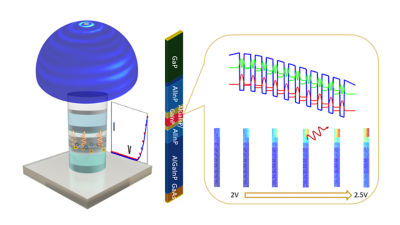
통합된 설계 환경 내에서 광학, 열, 전기 및 양자 웰을 포괄하는 다중물리 효과를 캡처하여 포토닉 부품을 원활하게 설계하십시오.
설계 엔지니어링 워크플로를 위해 개발된 직관적인 제품 설계 소프트웨어는 신속한 사용자 경험을 제공합니다. 신속한 설계 탐색을 통해 실제 제품 성능에 대한 상세한 인사이트를 얻을 수 있습니다. 라이브 피직스와 정확한 고충실도 시뮬레이션이 사용하기 쉬운 인터페이스로 결합되어 출시 기간을 단축할 수 있습니다.


Ansys Photonics 커뮤니티에 가입
통합된 설계 환경 내에서 광학, 전기, 열 및 양자 상호 작용을 모두 정확하게 포착하는 원활한 다중물리 워크플로의 강력한 기능을 활용하여 포토닉 부품 설계의 복잡성을 단순화하십시오.

“우리는 고객에게 비교할 수 없는 설계 유연성과 신뢰성을 제공하기 위해 최초의 SOA 컴팩트 모델을 개발하는 파트너로 최고의 Photonics 시뮬레이션 툴 제공업체인 Ansys Lumerical을 선택했습니다. SOA 게인 블록은 엔지니어가 응용 분야에 맞게 맞춤형 레이저와 증폭 블록을 설계할 수 있게 해주는 기본 요소이며, 시간이 오래 걸리는 초기 프로토타입 제작 주기를 단축해 줍니다.”
“최적화, 스크립팅 및 클라우드 지원을 갖춘 Ansys Lumerical의 도움으로 우리는 전례 없는 저손실 성능, 소형화 및 높은 제조 허용 오차를 위해 X8 회로의 모든 구성 요소를 최적화할 수 있었습니다.”
“Ansys Lumerical FDTD 솔루션을 Cloud 가속기와 함께 사용하면 삽입 손실을 15% 이상 줄이는 동시에 설계 일정을 크게 단축할 수 있었습니다.”
“Lumerical FDTD 솔루션은 우리의 연구 및 개발 구조의 필수 구성 요소입니다. 사용자 친화적인 레이아웃을 통해 단기 프로젝트를 빠르게 설정할 수 있으며 스크립팅 기능, 문서 및 예제를 통해 기술을 일관되고 효과적으로 발전시킬 수 있습니다.”
“우리는 Lumerical FDTD 솔루션을 사용하여 일련의 맞춤형 스크립트로 제작할 수 있는 매우 정확한 미소공진 OLED 모델을 만들었습니다. Lumerical은 시간과 비용을 모두 줄이는 데 중요한 역할을 했으며, OLED의 광학 구조를 조정하기 위한 특허받은 현재 방법을 실행하는 주요 툴로 계속해서 사용되고 있습니다.”
“우리는 Ansys Lumerical FDTD + AWS + Python API를 사용하여 이 메타표면의 모든 나노미터를 설계하면서 CMOS 제조 허용 오차와 호환되도록 했습니다. Lumerical의 AWS 솔루션을 통해 Lumotive는 추가 비용이나 정확성 저하 없이 설계 주기를 2~3배까지 확장할 수 있었습니다.”

“잘 개발되고 정밀한 FDTD 방법을 사용하여 광범위한 물리적 시뮬레이션을 수행할 수 있는 기능은 최종 생산 단계에서 더 높은 수준의 보장을 제공합니다. Lumerical의 FDTD 기반 HPC 접근 방식은 가장 빠르고 비용 효율적인 것으로 입증되었습니다.”
“Lumerical의 소프트웨어는 우리 연구에 매우 중요한 역할을 했습니다. 시장을 선도하는 명성을 유지하기 위해 매우 유용한 기능이 지속적으로 추가되고 있습니다.”
2026년 3월
Ansys Lumerical Multiphysics 2026 R1 릴리스는 Synopsys OptoCompiler 통합을 통해 포토닉 설계를 개선하고 간소화된 자동화를 위해 PyLumerical을 도입하며, 강력한 VCSEL 설계 툴을 새롭게 선보입니다.
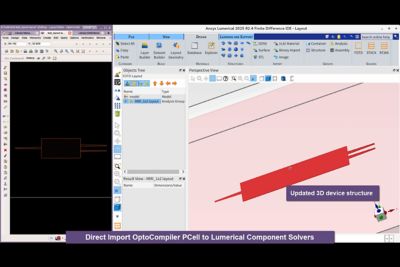
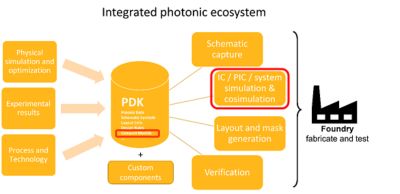
Lumerical MODE, FDTD 및 다중물리와 직접 통합되는 Synopsys OptoCompiler-Lumerical 시너지 효과를 통해 원활한 포토닉 설계를 경험하십시오. 고급 포토닉 구성 요소 모델링 및 시뮬레이션을 사용해 통신 및 반도체 혁신을 가속화하여 요구 사항에 맞는 효율적인 첨단 기술 솔루션을 보장합니다.
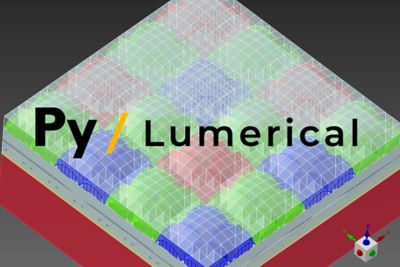
Python 기반 솔루션인 PyLumerical을 사용하여 Lumerical 툴을 원활하게 자동화합니다. PyAnsys 에코시스템과 완벽하게 호환되며 FDTD, MODE, Multiphysics, INTERCONNECT, optiSLang 및 Speos와 같은 기타 Ansys 툴은 물론 오픈 소스 Python 라이브러리와 통합됩니다. 이 현대적이고 효율적인 접근 방식으로 워크플로를 간소화하고 다중물리 시뮬레이션을 향상하십시오.
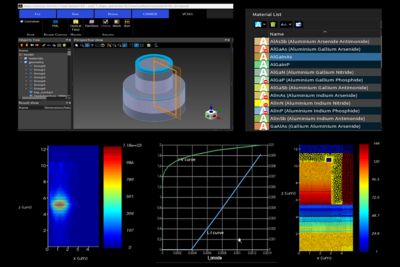
Ansys Lumerical Multiphysics의 새로운 VCSEL 설계 툴은 3D 원통형 VCSEL 구조 생성을 간소화하여 공진 모드, 빔 프로파일, 이득 정렬 및 편광 효과에 대한 시뮬레이션을 지원합니다. 광학, 전기, 양자 및 열 해석을 통합하여 LIV 곡선, 근거리장/원거리장 프로파일 및 성능 최적화를 비롯한 포괄적인 통찰력을 제공합니다.
기능
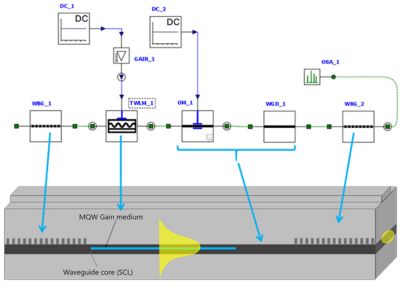
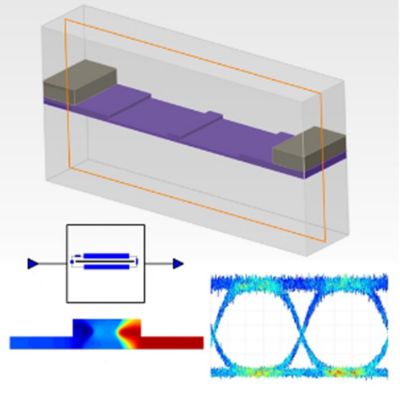
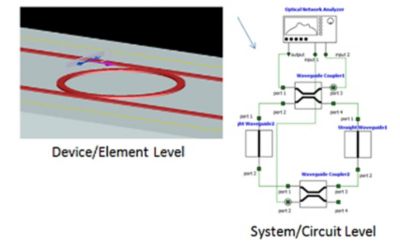
Lumerical Multiphysics의 솔버 세트, 원활한 워크플로 및 기능을 통해 수동 및 능동 포토닉 구성 요소 모델링 시 물리적 효과의 상호 작용을 정확하게 캡처할 수 있습니다.
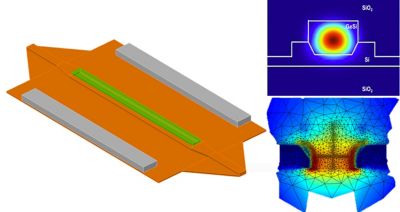
다양한 포토닉 구성 요소를 설계하고 최적화합니다.
엔지니어 업무 시간의 34%는 시뮬레이션 데이터를 검색하는 데 소비합니다. 이 영상은 Ansys Minerva를 사용하여 이러한 문제를 해결하고 엔지니어의 생산성을 높이는 방법에 대해 설명합니다.
시뮬레이션 프로젝트와 관련된 복잡성을 줄이고, 팀원들이 조화롭게 작업하여 시간을 절약하고 프로젝트 전반에 걸쳐 모범 사례를 일관되게 확보할 수 있습니다.
Ansys는 모든 사용자가 당사 제품에 액세스할 수 있다는 것을 가장 중요하게 생각합니다. 따라서 US Access Board(508조), Web Content Accessibility Guidelines(WCAG) 및 Voluntary Product Accessibility Template(VPAT)의 현재 형식에 근거한 접근성 요구 사항을 준수하기 위해 노력하고 있습니다.