Synopsys and Ansys power the future of innovation—connecting silicon to systems.
-
-
Kostenlose Software für Studierende
Ansys unterstützt die nächste Generation von Ingenieur*innen
Studenten erhalten kostenlosen Zugang zu erstklassiger Simulationssoftware.
-
Verbinden Sie sich jetzt mit Ansys!
Gestalten Sie Ihre Zukunft
Stellen Sie eine Verbindung mit Ansys her, um zu erfahren, wie Simulation Ihren nächsten Durchbruch vorantreiben kann.
Kostenlose Demoversionen
Produkte & Dienstleistungen
Lernportal
Über das Unternehmen
Back
Produkte & Dienstleistungen
Back
Lernportal
Ansys unterstützt die nächste Generation von Ingenieur*innen
Studenten erhalten kostenlosen Zugang zu erstklassiger Simulationssoftware.
Back
Über das Unternehmen
Gestalten Sie Ihre Zukunft
Stellen Sie eine Verbindung mit Ansys her, um zu erfahren, wie Simulation Ihren nächsten Durchbruch vorantreiben kann.
Kostenlose Demoversionen
THEMENDETAILS
Was ist Asset Lifecycle Management?
Asset Lifecycle Management (ALM) ist ein systematischer Ansatz zum Verständnis und zur Steuerung der Assets eines Unternehmens über ihren gesamten Lebenszyklus hinweg. Das Ziel von ALM ist es, den Wert der Unternehmensressourcen zu maximieren, indem die Organisation mit den notwendigen Entscheidungsinformationen versorgt wird, um die richtigen Assets zu beschaffen, die Leistung zu optimieren, die Nutzungsdauer zu maximieren, Ausfallzeiten zu vermeiden und die Gesamtbetriebskosten zu minimieren.
ALM ist weit mehr als reine Anlagenverfolgung oder Wartungsmanagement, auch wenn diese Aufgaben Teil davon sind. ALM nutzt zudem sowohl Wartungsplanung als auch Asset-Management-Software. Der Unterschied zwischen diesen punktuellen Lösungen und ALM liegt in der Nutzung von Asset-Daten, um fundierte Entscheidungen zu treffen, die die betriebliche Effizienz und den Return on Investment maximieren.
Die sechs Phasen des Asset Lifecycle Managements
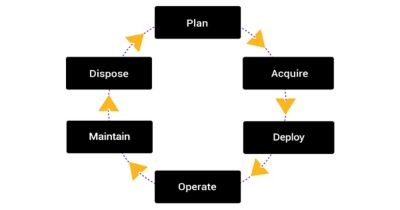
Der Asset-Lifecycle-Management-Zyklus mit sechs Schritten
Der Asset-Lifecycle-Management-Prozess wird typischerweise in sechs Schritte unterteilt, wobei einige Anwender Betrieb und Instandhaltung zusammenfassen und so einen fünfstufigen Prozess bilden. Die Schritte beschreiben, was ein Unternehmen während der gesamten Lebensdauer eines Assets mit diesem unternimmt – von der Identifizierung eines Bedarfs bis hin zur Außerbetriebnahme des Assets.
1. Planung
Die Planungsphase ist der erste Schritt im Lebenszyklus eines Assets. Dieser Schritt konzentriert sich darauf, den Bedarf der Organisation an dem neuen Asset zu identifizieren, den Zweck des Assets festzulegen und die Ziele zu dokumentieren, die die Organisation mit dem Asset erreichen möchte. Sobald diese Informationen erfasst sind, konzentriert sich das Planungsteam auf folgende Punkte:
- Erstellung eines Budgets
- Schätzung des Werts des Assets für das Unternehmen
- Dokumentation technischer Anforderungen
- Festlegung von Leistungskennzahlen (KPIs) und Metriken, die während der gesamten Lebensdauer des Assets verfolgt werden
- Auflistung der erforderlichen Funktionen
- Entwicklung eines Risikominderungsplans
2. Akquisition
Die Asset-Akquisition ist der nächste Schritt im Prozess. Die Beschaffung eines Assets umfasst in der Regel die folgenden Aufgaben:
- Analyse möglicher Anbieteroptionen
- Auswahl geeigneter Anbieter (Downselection)
- Verhandlung von Preis- und Vertragsdetails
- Einholung der erforderlichen Genehmigungen innerhalb der Organisation
- Abwicklung des Erwerbs des neuen Assets
- Festlegung der Zuordnung von Anschaffungs- und Betriebskosten
3. Einsatz
Der Einsatz umfasst den Zeitraum von der Anschaffung eines neuen Assets bis zu dessen Inbetriebnahme. Zu den typischen Aufgaben für den Einsatz gehören:
- Planung und Vorbereitung des Standorts
- Installation
- Konfiguration
- Integration in physische und digitale Systeme
- Entwicklung der Wartungsstrategie und der Wartungspläne
- Schulung der Bediener und Wartungstechniker*innen
- Dokumentation des ursprünglichen Asset-Werts und des erwarteten Abschreibungsplans
4. Betrieb
Der Betriebsschritt, auch als Nutzung bezeichnet, konzentriert sich auf die Minimierung der Kosten, die Optimierung des vom Unternehmen erzielten Werts sowie die Minimierung der Gesamtbetriebskosten. Die Aufgaben während der Nutzung variieren stark je nach Funktion und Komplexität des Assets. Die meisten Unternehmen führen jedoch die folgenden Tätigkeiten durch:
- Betrieb des Assets
- Überwachung der Asset-Leistung
- Erfassung von Nutzungsdaten
- Durchführung von Upgrades bei Bedarf zur Leistungssteigerung oder Reduzierung von Ausfallzeiten
- Anpassung von Betriebsparametern zur besseren Erreichung der übergeordneten Unternehmensziele
- Identifikation von Ineffizienzen und Umsetzung von Prozessverbesserungen
5. Wartung
Während der Nutzung eines Assets muss die Organisation auch Wartungsaufgaben durchführen. Unternehmen, die Wartungsmanagement-Aktivitäten nicht ordnungsgemäß durchführen, laufen Gefahr, erhebliche Kosten oder Stillstände zu verursachen. Typische Wartungsaufgaben umfassen:
- Regelmäßige Inspektion des Assets und Überprüfung der Leistungsdaten
- Durchführung vorbeugender Instandhaltung
- Einsatz vorausschauender Wartung, sofern implementiert
- Durchführung von Reparaturen und erforderlichen Wartungsmaßnahmen
- Nachverfolgung von Ausfällen, Betriebszeiten und Wartungskosten
6. Entsorgung
Wenn ein Asset dem Unternehmen nicht mehr ausreichend Wert liefert, erreicht es den letzten Schritt im Asset Lifecycle Management: die Entsorgung. Stakeholder kommen zusammen, um den besten Ansatz für die Außerbetriebnahme zu bestimmen. Zu den gängigsten Optionen im Umgang mit dem Lebensende eines Assets gehören die folgenden. Diese können auf das gesamte Asset oder einzelne Komponenten angewendet werden:
- Standardmäßige Entsorgung
- Recycling als Werkstoff oder Ersatzteile
- Umnutzung in einer anderen Rolle oder an einem anderen Standort
- Verkauf
- Einlagerung
Die verschiedenen Arten des Asset Lifecycle Managements
Der Begriff Asset Lifecycle Management bezieht sich im Allgemeinen auf die Verwaltung physischer Assets, kann aber auch auf viele andere Elemente verweisen, die Unternehmen besitzen und die von einer durchgängigen Lebenszyklusverwaltung profitieren können. Die verschiedenen Arten von ALM werden im Allgemeinen durch die Art der verwalteten Assets definiert:
Enterprise Asset Management oder Physical Asset Management
Dies ist die häufigste Form des Asset Lifecycle Managements und steht im Mittelpunkt dieses Artikels. Ein zentraler Aspekt bei der Verwaltung physischer Assets ist der Einsatz hardwarespezifischer Workflows und Tools für Bestandsverwaltung, Wartungsmanagement und Facility Management.
IT Asset Lifecycle Management
Moderne Unternehmen verfügen häufig über erhebliche Investitionen in ihre IT-Infrastruktur, die sowohl Hardware als auch Software umfasst. Das IT Asset Lifecycle Management verwendet Tools und Prozesse, die sich auf die Interaktion von IT-Assets untereinander sowie auf Nutzung, Benutzerzugriff, Skalierbarkeit und Cybersicherheitsaspekte konzentrieren.
Software Asset Lifecycle Management
Software-Assets haben eigene Anforderungen an das Lifecycle Management, die häufig ein separates, spezialisiertes Asset-Management-System erfordern. Obwohl die Schritte identisch sind, umfasst Software Asset Lifecycle Management zusätzlich Aspekte von DevOps, das Management von Softwarelizenzen sowie Tools zur automatisierten Überwachung.
Digital Asset Lifecycle Management
Daten, die ein Unternehmen besitzt und kontrolliert, können auch als digitale Assets betrachtet werden. In einigen Branchen wie dem Gesundheitswesen, digitalem Marketing und der Finanzbranche sind digitale Assets entscheidend für den Erfolg. Die Datenverwaltung durch ein Digital Asset Lifecycle Management System kann Datenbanken, Dokumente, Bilder, Videos oder sogar Kryptowährungen umfassen. Der Schwerpunkt bei digitalen Assets liegt auf dem Zugriff auf Asset-Informationen in Echtzeit.
Fleet Lifecycle Management
Eine Teilmenge des Enterprise Asset Management ist Fleet Lifecycle Management, das sich mit der Verwaltung mobiler Assets befasst. Die meisten ALM-Programme konzentrieren sich auf stationäre Assets. Beim Fleet Lifecycle Management müssen Faktoren wie Standort, Unfälle, Umgebungsbedingungen und Nachhaltigkeit berücksichtigt werden.
Die Vorteile eines effektiven Asset Lifecycle Managements
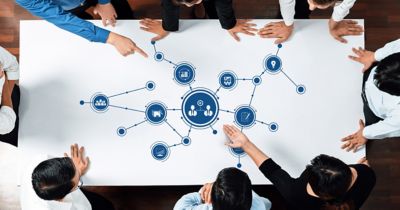
Effektives Asset Lifecycle Management ist eine unternehmensübergreifende Aufgabe.
Wird es wirksam umgesetzt, erreicht ALM sein übergeordnetes Ziel, den Wert von Unternehmens-Assets von der Planung bis zur Entsorgung zu maximieren. Statt nur einzelne Phasen dieses Lebenszyklus zu betrachten, wird der gesamte Lebenszyklus betrachtet, um durchgängig Mehrwert zu schaffen.
Zu den häufigsten Vorteilen eines gut implementierten ALM-Systems gehören die folgenden Aspekte:
Informierte Entscheidungsfindung
Die richtigen Informationen zur richtigen Zeit können einen großen Unterschied machen, insbesondere in der Planungsphase eines Asset-Lebenszyklus. Stakeholder müssen nicht mehr experimentieren. Stattdessen können sie fundierte Entscheidungen über Anschaffung, Wartung, Leistungsverbesserungen und Entsorgung des Assets treffen.
Verbesserte Produktivität und Leistung
ALM stellt einer Organisation die Werkzeuge bereit, um systematisch zu verbessern, wie ihre Assets Wert liefern. Dieser Wert kann sich beispielsweise in mehr Betriebsstunden pro Tag, geringerem Energieverbrauch oder reduziertem Ausschuss zeigen.
Höhere betriebliche Effizienz des Unternehmens
Über die Leistung des Assets hinaus kann ALM Unternehmen dabei unterstützen, ihre Assets effizienter zu überwachen, zu betreiben, zu reparieren und zu warten. Der Übergang von einem reaktiven Service-Management-Paradigma zu einem Paradigma, das auf Überwachung, Optimierung und Planung basiert, kann die Arbeits- und Anlagenkosten im Facility Management erheblich senken. Dies umfasst auch die Optimierung von Ausgaben im gesamten Unternehmen, nicht nur für ein einzelnes Asset. ALM ermöglicht eine bessere Planung und gemeinsame Nutzung von Wartungsressourcen.
Reduzierung von Ausfallzeiten
Eine der kostspieligsten Auswirkungen für ein Unternehmen entsteht, wenn ein Asset ausfällt und nicht mehr den Wert liefert, in den das Unternehmen investiert hat. ALM stellt Unternehmen die Tools, Daten und Prozesse bereit, um von reaktiver zu proaktiver Wartung zu wechseln und kostspielige Stillstände sowie gefährliche Ausfälle zu vermeiden.
Verlängerte Lebensdauer
Unternehmen können die Lebensdauer von Assets durch ALM verlängern, indem sie Verschleiß minimieren und Teile ersetzen, bevor sie andere Komponenten beschädigen. Durch proaktive Wartung kann die Leistung auch über einen längeren Zeitraum hoch gehalten werden, um die Lebensdauer der Assets zu verlängern.
Best Practices für ein effektives Asset Lifecycle Management-Programm
Um diese Vorteile zu erzielen, müssen Unternehmen, die ALM implementieren und betreiben, mehr tun als nur einen Prozess einzurichten und Asset-Management-Software zu kaufen. Hier sind sieben Erkenntnisse, die Unternehmen im Laufe der Jahre bei der Implementierung eines effektiven Lifecycle-Management-Systems gewonnen haben:
- Einbindung der Stakeholder in jeder Phase des Lebenszyklus
- Einsatz integrierter Softwarelösungen
- Abbau von Barrieren beim Datenzugriff
- Implementierung von Sensoren und Datenerfassung
- Nutzung digitaler Zwillinge
- Investition in Schulungen für Benutzer*innen und Wartungspersonal
- Einsatz von Datenanalyse, Simulation und künstlicher Intelligenz (KI) zur Förderung der vorausschauenden Wartung
Wie bei jeder strategischen Geschäftsinitiative müssen die ALM-Implementierungs- und Umsetzungsteams die Unterstützung des oberen Managements nicht nur zu Beginn, sondern auch nach einiger Zeit sicherstellen. Die Investition in ALM kann bisweilen als attraktive Kostenposition erscheinen, die im Budget gekürzt werden soll, da die Einsparungen sofort sichtbar sind. Die erheblichen Kosten solcher Kürzungen werden sich jedoch letztlich zeigen.
Unterstützung und Verbesserung des Asset Lifecycle Managements mit Simulation
Eine effektive Möglichkeit, die positiven Auswirkungen von ALM zu verbessern, ist der Einsatz von Simulation. Fast jeder Schritt im Lebenszyklus eines Assets kann vom Einsatz digitaler Modelle profitieren, die das Verhalten des Assets simulieren. Simulation passt gut zu ALM, da sie eine weitere Möglichkeit ist, Informationen über Assets für fundierte Entscheidungen zu generieren, ohne physische Tests oder teure Überwachung.
Im Folgenden finden Sie einige Beispiele, wie Unternehmen den Wert von Assets steigern und Kosten durch Simulation senken können:
Digitale Zwillinge
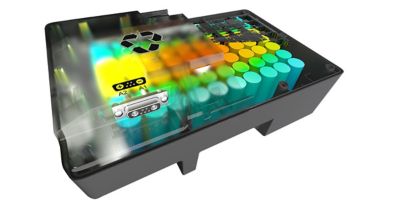
Ein digitales Zwillingsmodell eines Lithium-Ionen-Akkupacks
Der Einsatz digitaler Zwillinge als Mittel zur Steigerung der Wirkung von ALM nimmt zu. Ein digitaler Zwilling ist eine virtuelle Darstellung eines Assets auf Basis von Daten und Simulation. Richtige Digital-Twin-Anwendungen verwenden Echtzeitdaten von Internet-of-Things-(IoT)-Sensoren an Assets, historische Daten, durch Multiphysik-Simulation generierte Daten sowie Systemmodellierung, um eine präzise, reaktionsfähige Darstellung eines Assets auf einem Computer zu erstellen.
Unternehmen nutzen Tools wie die simulationsbasierte Digital-Twin-Plattform Ansys Twin Builder, um verwertbare Informationen über Assets bereitzustellen, ohne Vermutungen anzustellen, physische Tests durchzuführen oder ein Asset außer Betrieb nehmen zu müssen. Digitale Zwillinge können zudem präzisere prädiktive Analysen ermöglichen, um Wartungsbedarf proaktiv zu erkennen, lange bevor eine Komponente ausfällt. Digitale Zwillinge liefern wertvolle Informationen während der Betriebs-, Wartungs- und Entsorgungsphase des Lebenszyklus eines Assets.
Systemmodellierung
Die meisten Assets werden in einem System betrieben und können auch als Systemmodell dargestellt werden. Durch die Integration modellbasierter Systemtechnik (Model-Based Systems Engineering, MBSE) in ALM können Ingenieur*innen Daten zu einem Asset erzeugen, komplexes Verhalten modellieren und vorhersagen, wie sich Betriebsänderungen auf Leistung und Robustheit auswirken. Teams können MBSE bereits in der Planungsphase nutzen, um verschiedene Optionen zu analysieren und Stakeholder bei der Auswahl des optimalen Assets zu unterstützen. MBSE-Tools wie die Software für modellbasierte Systemtechnik Ansys ModelCenter können ebenfalls in nahezu jeder Phase eingesetzt werden.
Missionssimulation
Die Verwaltung mobiler Assets, wie beim Flottenmanagement, kann eine besondere Herausforderung darstellen. Missionssimulationstools wie die Software für digitale Einsatztechnik Ansys Systems Tool Kit (STK) bieten eine Form der Systemmodellierung, die multiphysikalische Interaktionen ermöglicht, während sich Assets durch Zeit und Raum bewegen. Die Missionssimulation wird in der Regel in der Betriebsphase eingesetzt, um die Leistung mehrerer Assets zu optimieren.
Sicherheitsanalyse
Die Simulation kann auch eine entscheidende Rolle bei der Verbesserung der Sicherheit eines Assets durch Sicherheitsanalysemethoden spielen. Ein Tool wie die systemorientierte Sicherheitsanalysesoftware Ansys medini analyze optimiert die funktionale Sicherheitsanalyse im gesamten System und umfasst die Elektronik- und Softwarekomponenten eines Assets. Diese Funktion kann in der Planungs- und Bereitstellungsphase sowie im Betrieb und in der Wartung von Vorteil sein.
Physik- und Multiphysik-Modellierung
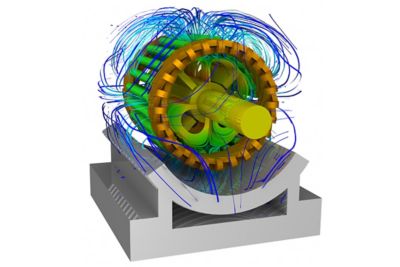
Eine Simulation eines Elektromotors zum Verständnis der komplexen Wechselwirkung von Magneten
Das Herzstück jeder Simulationsstrategie zur Unterstützung des Asset Lifecycle Managements ist die numerische Simulation einzelner oder mehrerer physikalischer Disziplinen. Diese Modelle werden in einer Vielzahl von Software-Tools erstellt, wie der strukturellen Finite-Elemente-Analyse-Software Ansys Mechanical für Struktur- und Thermomodellierung, der Strömungssimulationssoftware Ansys Fluent für Fluid- und thermische Simulationen, der nichtlinearen Strukturdynamik-Simulationssoftware Ansys LS-DYNA zur Untersuchung nichtlinearen Verhaltens, der hochfrequenten elektromagnetischen Simulationssoftware Ansys HFSS für Hochfrequenz-Elektromagnetik sowie der optischen Simulations-, Design- und Analyse-Software Ansys Zemax OpticStudio zur Modellierung optischer Systeme. Für die Asset-Modellierung können Ingenieur*innen diese und weitere Tools verwenden, um das detaillierte Verhalten jedes Teils eines Assets zu verstehen, die Ursachen von Ausfällen zu analysieren und die Leistung zu optimieren.
Los geht's
Wenn Sie mit technischen Herausforderungen konfrontiert sind, ist unser Team für Sie da. Mit unserer langjährigen Erfahrung und unserem Engagement für Innovation laden wir Sie ein, sich an uns zu wenden. Lassen Sie uns zusammenarbeiten, um Ihre technischen Hindernisse in Chancen für Wachstum und Erfolg zu verwandeln. Kontaktieren Sie uns noch heute, um das Gespräch zu beginnen.