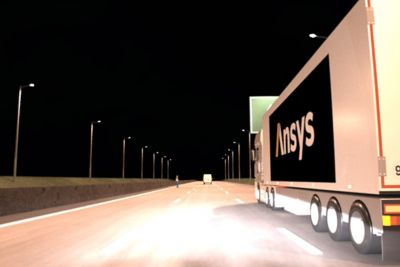
规格速览
Ansys Speos采用非序列光线追迹和真实材料模型进行基于物理的光学仿真,对光行为和人眼视觉进行建模,以实现准确的虚拟原型设计和系统级性能验证。
Synopsys and Ansys power the future of innovation—connecting silicon to systems.
Ansys Speos是一款用于设计和验证光学部件、照明系统和传感器的光学仿真软件工具。它能够对光与透镜、材料及环境的相互作用进行建模,并对人眼视觉和摄像头传感器进行仿真,以便在物理原型设计之前预测照明、图像质量、眩光、缺陷和系统性能。

Ansys Speos提供直观全面的用户界面,通过使用GPU进行仿真预览提高了生产力,并可轻松访问Ansys多物理场生态系统。
Ansys Speos采用非序列光线追迹和真实材料模型进行基于物理的光学仿真,对光行为和人眼视觉进行建模,以实现准确的虚拟原型设计和系统级性能验证。
2026年3月
使用简化、集成和优化的工具,体验更流畅的光学设计工作流程。相比于以往版本,Ansys Speos 2026 R1版本能够以更快、更高效的方式创建精准设计。
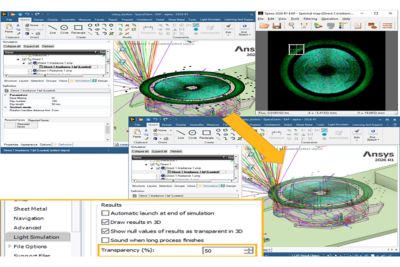
日常任务变得更简单、更直观!关键增强功能包括:支持多选操作的上下文菜单、简化光源和传感器访问流程、提升仿真结果的透明度、光线动画和环境光源中太阳方位参数化设置。这些功能充分考虑了光学工程师的设计需求,从而确保工作流程更加顺畅,同时提供更清晰的见解。
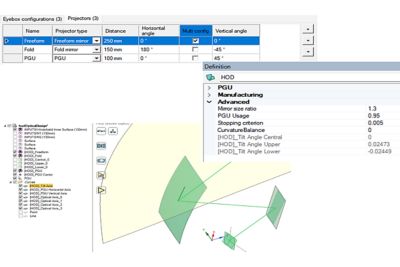
光学部件设计功能进行了改进,新增了更多参数,提供了更高的设计灵活性。设计人员可以基于光度目标、自由曲面组件和造型约束,实现高效的设计优化。
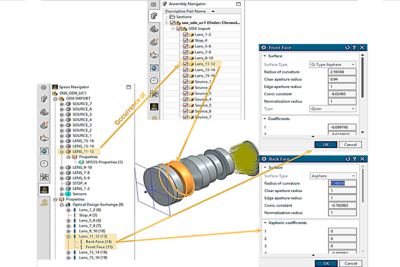
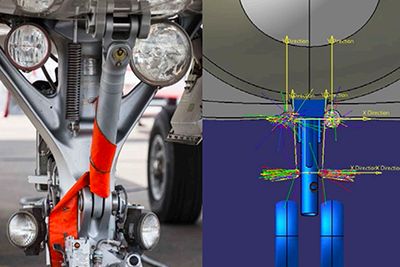
OpticStudio和Speos之间的光学设计交换数据交换功能,现已在Siemens NX中可用。这种集成可实现OpticStudio和Speos之间的无缝数据交换,并支持将精确的镜头几何结构传输到CAD软件中,以实现高效的光机设计和杂散光分析。
Lorem Ipsum has been the industry's standard dummy text ever since the 1500s, when an unknown printer took a galley of type and scrambled it to make a type specimen book. It has survived not only five centuries
虚拟光学设计可提升安全性、性能与开发效率。

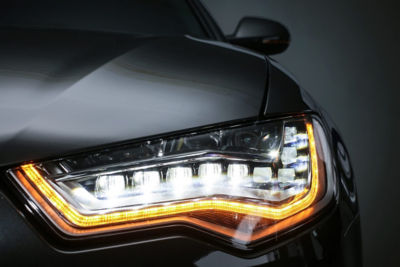
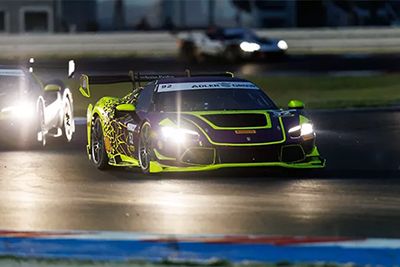
法拉利借助先进的光学仿真工具,在虚拟环境中设计和测试智能前照灯系统,从而降低成本、提高安全性并缩短开发周期
法拉利与Ansys合作,利用虚拟光学仿真开发先进的高清前照灯系统。通过运用Speos、Zemax OpticStudio和AVxcelerate Headlamp等工具,工程师可以对照明行为进行建模、在逼真的夜间驾驶场景中测试性能,并在无需昂贵物理原型的情况下验证安全要求。该仿真环境支持快速迭代、眩光分析以及针对驾驶员的视野评估,以在不同工况下实现性能优化。这种数字化工作流程可简化开发流程、减少对天气相关测试的依赖,并提高系统质量。因此,法拉利大幅度降低了前照灯开发成本,同时在性能、安全性和创新方面也取得显著提升。
Lorem Ipsum has been the industry's standard dummy text ever since the 1500s, when an unknown printer took a galley of type and scrambled it to make a type specimen book. It has survived not only five centuries
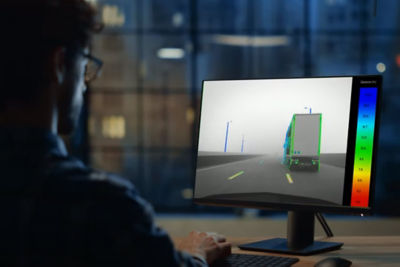
Speos功能
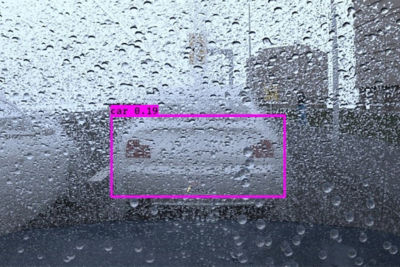
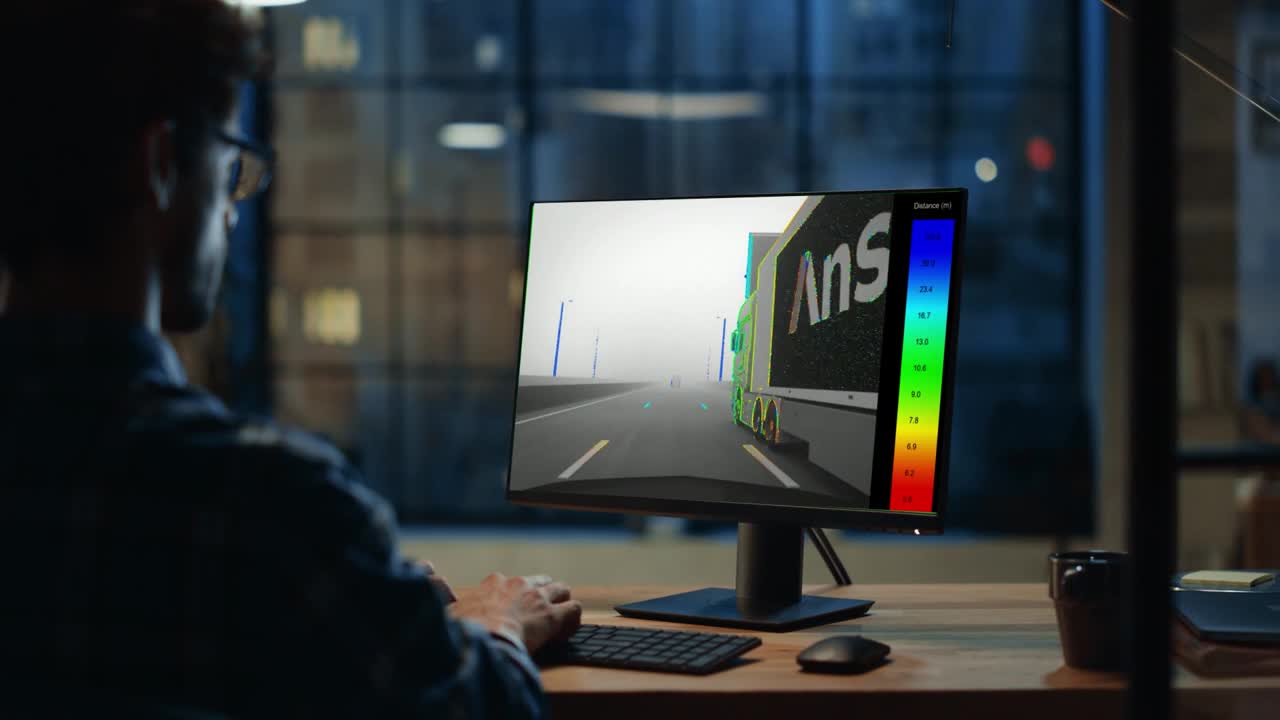
Ansys Speos通过集成光学、结构和热仿真,提供先进的多物理场光学设计与仿真,以准确预测实际性能。其功能包括:精确的传感器和感知建模、优化的照明系统设计、真实材料和表面光学特性,以及快速设计探索。设计人员可以对摄像头、激光雷达和照明系统的光学漂移、效率与检测可靠性进行验证,从而确保在制造之前实现稳健的系统级性能,并最大限度地减少对物理原型设的需求。
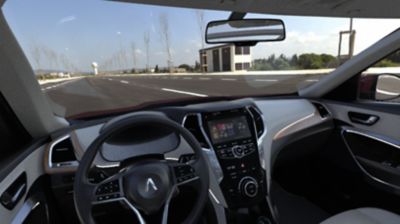
Ansys Speos光学设计软件以独特的方式对系统的光学性能进行仿真,并基于人眼视觉评估最终的照明效果。
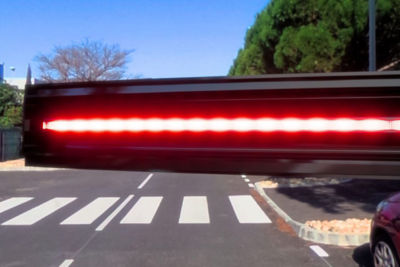
Speos资源与活动

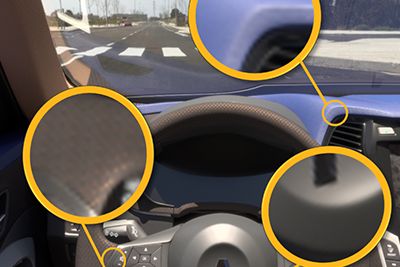

立即观看,探索如何利用Ansys Zemax OpticStudio和Ansys Speos进行先进杂散光分析,以识别、诊断并消除导致性能下降的光学伪影。
工程师需要将34%的时间用于搜索仿真数据。本视频重点介绍了如何利用Ansys Minerva解决这些挑战,并提高工程师的工作效率。
降低仿真项目的复杂性,使团队成员能够协调工作,从而节省时间,并确保在整个项目中采用一致的最佳实践。
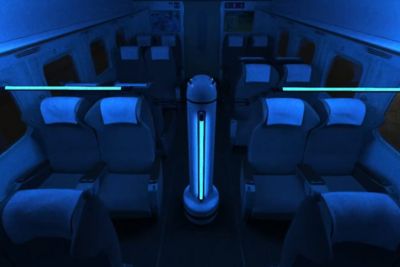
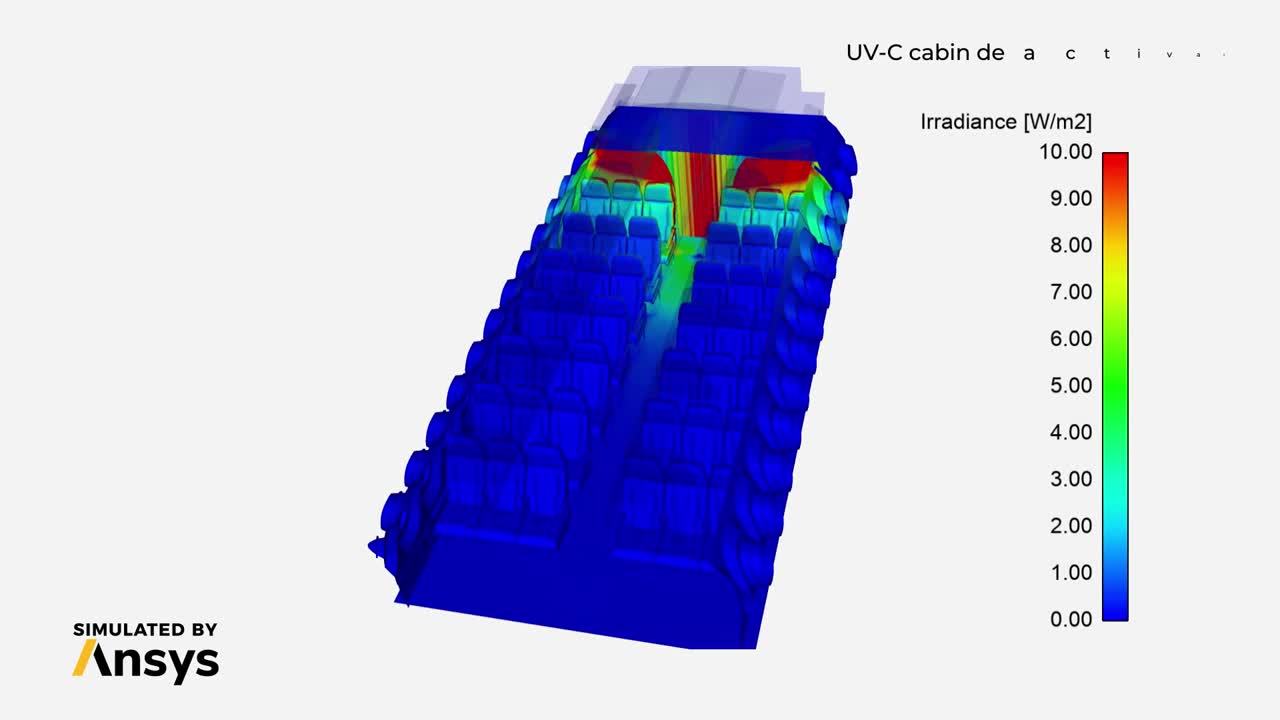
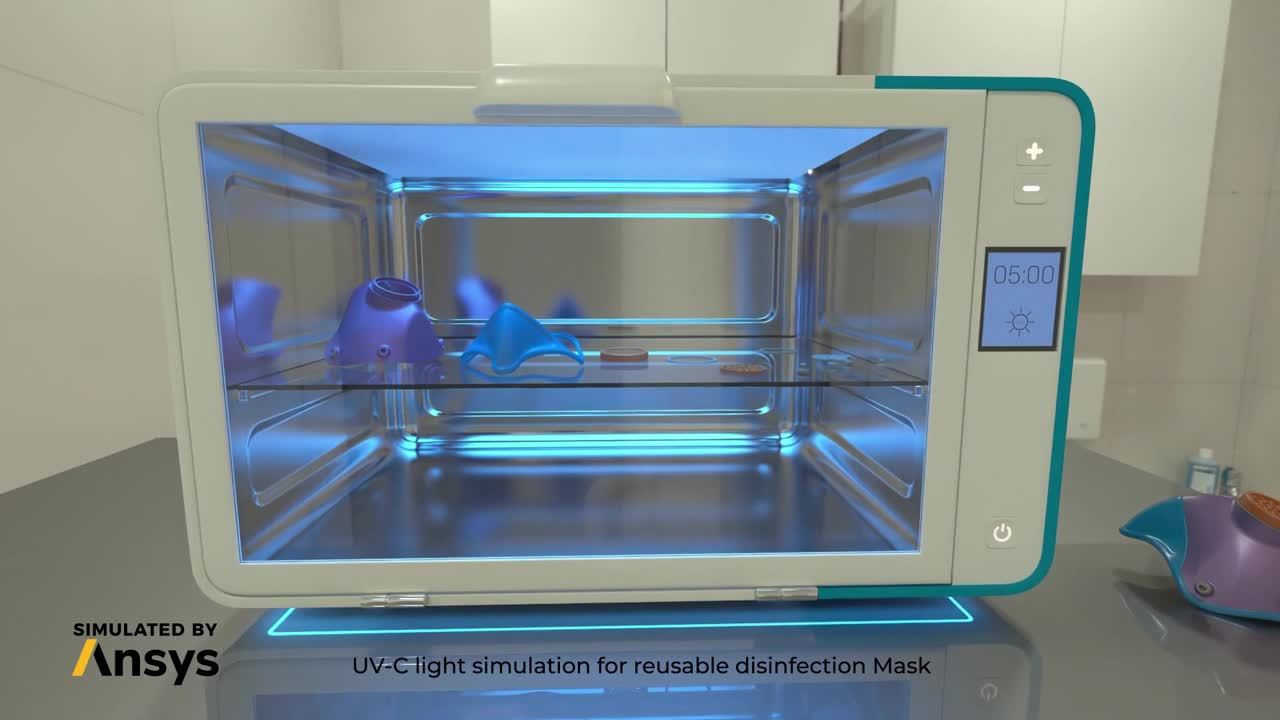
自动紫外灯光消杀系统能够辅助甚至取代手动表面消毒作业,并提高病毒灭活成功率。仿真可用于设计针对各种环境的紫外灯光消杀系统,确保通过足够剂量的紫外线光照射灭活病毒。
对使用过的口罩进行省时高效的紫外线消毒,或有望解决医务人员急需可用口罩的燃眉之急。消毒装置设计人员借助仿真,能有效确保对受污染的个人防护装备(PPE)表面进行无死角、足量的紫外线辐照消毒。
Ansys Speos提供直观全面的用户界面,通过使用GPU进行仿真预览提高了生产力,并可轻松访问Ansys多物理场生态系统。欢迎观看此视频,了解如何在多物理场环境中体验光学系统优化和设计验证的光仿真。
了解如何使用Ansys Cloud中的Ansys Speos随时随地执行光学仿真。您甚至可以使用手机检查仿真的进度,所有这些工作都具有完全的安全性。将您的光学仿真与其它解决方案(例如Ansys Mechanical、Ansys Fluent和Ansys optiSLang)相结合,获得优化的综合仿真结果。
Ansys Speos提供直观全面的用户界面,可将产品开发时间锐减75%,同时避免光学变形和图像失真。
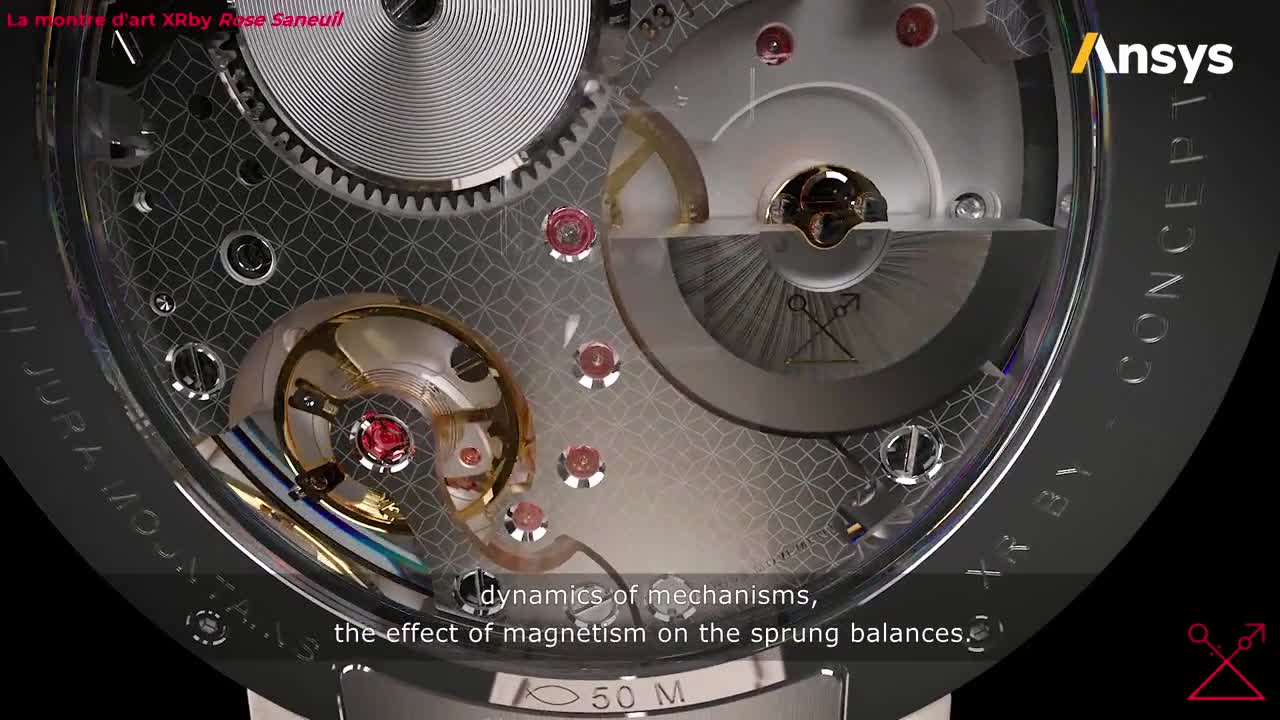
欢迎观看此视频,了解制表业初创公司XRby如何使用Ansys Speos开发表盘,并了解光线与材料如何进行交互。
要让包括残障人士在内的所有用户都能访问我们的产品,这一点对于Ansys而言至关重要。因此,我们始终致力于遵循基于美国访问委员会(第508节)、Web内容可访问性指南(WCAG)和当前自愿产品可访问性模板(VPAT)格式的可访问性要求。