Synopsys and Ansys power the future of innovation—connecting silicon to systems.
-
-
Software gratuito per studenti
Ansys potenzia la nuova generazione di ingegneri
Gli studenti hanno accesso gratuito a software di simulazione di livello mondiale.
-
Connettiti subito con Ansys!
Progetta il tuo futuro
Connettiti a Ansys per scoprire come la simulazione può potenziare la tua prossima innovazione.
Customer Center
Supporto
Partner Community
Contatta l'ufficio vendite
Per Stati Uniti e Canada
Accedi
Prove Gratuite
Prodotti & Servizi
Scopri
Chi Siamo
Back
Prodotti & Servizi
Back
Scopri
Ansys potenzia la nuova generazione di ingegneri
Gli studenti hanno accesso gratuito a software di simulazione di livello mondiale.
Back
Chi Siamo
Progetta il tuo futuro
Connettiti a Ansys per scoprire come la simulazione può potenziare la tua prossima innovazione.
Customer Center
Supporto
Partner Community
Contatta l'ufficio vendite
Per Stati Uniti e Canada
Accedi
Prove Gratuite
DETTAGLI DELL'ARGOMENTO
Cos'è un modello di ordine ridotto?
Un modello di ordine ridotto (ROM) è una rappresentazione matematica semplificata di un processo o di un sistema fisico derivata da un modello matematico ad alta fedeltà (HFM) più complesso. Gli ingegneri ricorrono alla riduzione dell'ordine del modello quando desiderano creare una simulazione accurata di un sistema, diminuendo al tempo stesso i costi computazionali o il tempo necessario per ottenere risposte.
Questi ROM, caratterizzati da un'elevata efficienza computazionale, possono essere risolti in modo indipendente o combinati in un modello di sistema o in un digital twin per creare modelli complessi in grado di eseguire simulazioni multifisiche o transitorie efficienti. I team di ingegneria utilizzano i modelli di ordine ridotto per ottenere informazioni sui prodotti nelle prime fasi del processo di progettazione oppure per esplorare e ottimizzare i sistemi già operativi sul campo.
Nella modellazione ad alta fedeltà, gli ingegneri discretizzano la geometria in equazioni univoche, solitamente sotto forma di equazioni differenziali parziali (Partial Differential Equations, PDE), che descrivono il comportamento di ciascun tipo di valore risolto dal modello complessivo. Successivamente, definiscono vincoli e carichi sulla rappresentazione ad alta fedeltà e utilizzano metodi matematici per risolvere i gradi di libertà sconosciuti. Un modello di ordine ridotto rappresenta un sistema o un processo come una mappatura di input e output. Le equazioni semplificate o i metodi di interpolazione nel ROM vengono utilizzati per convertire tali input in valori di output accurati.
L'utilizzo dei modelli ridotti si articola in due fasi. La prima, detta produzione (o generazione) del ROM, consiste nell'utilizzare diverse tecniche di riduzione per creare ROM a partire dai dati di addestramento. La seconda fase, nota come utilizzo del ROM, riguarda l'impiego del modello generato in una simulazione. La maggior parte delle piattaforme software moderne di simulazione avanzata fornisce strumenti che aiutano gli ingegneri a creare modelli di ordine ridotto compatibili con lo standard FMI (Functional Mock-Up Interface), il formato di scambio definito a livello di settore.
I vantaggi della modellazione di ordine ridotto
Gli ingegneri utilizzano i modelli di ordine ridotto da diverso tempo, inizialmente a causa della scarsa disponibilità di risorse computazionali. Spinti dalla necessità, hanno trovato dei modi per produrre ROM risolvibili in modo pratico. Sebbene la potenza computazionale sia aumentata nel tempo, anche i vantaggi della modellazione di ordine ridotto sono cresciuti, poiché questo approccio consente la simulazione di sistemi sempre più complessi.
Le risorse computazionali necessarie per produrre i dati per la simulazione, così come le risorse di cui i team hanno bisogno per estrarre dati empirici sul campo, possono raggiungere dimensioni significative. Ma una volta realizzati, questi modelli semplificati possono essere utilizzati in simulazioni a livello di sistema rapide e leggere.
Le aziende che sviluppano e gestiscono prodotti in diversi settori utilizzano la modellazione di ordine ridotto per:
- Accelerare lo sviluppo e il miglioramento dei prodotti.
- Ridurre i costi lungo l'intero processo ingegneristico.
- Fornire informazioni utili nelle prime fasi del processo di progettazione.
- Abilitare digital twin e applicazioni di monitoraggio ibride.
- Consentire un addestramento efficiente in termini di costi dei sistemi di intelligenza artificiale (AI).
- Rendere possibile la condivisione di modelli numerici portatili all'interno dell'azienda e con fornitori e clienti.
Sfide comuni relative alla modellazione di ordine ridotto
Anche se gli ingegneri sanno come trasformare un sistema multifisico in una versione semplificata, eseguire questa conversione può essere difficile. Sebbene ogni applicazione sia unica, nella maggior parte dei casi la creazione di un modello di ordine ridotto comporta le seguenti quattro sfide.
1. Bilanciamento tra velocità e precisione
Gli ingegneri creano i ROM per semplificare problemi complessi. Tuttavia, passare da milioni di gradi di libertà a un numero limitato di parametri riduce la precisione. Se il livello di precisione è troppo basso, il risparmio di tempo e costi diventa irrilevante. Ecco perché chiunque crei un ROM inizia decidendo la velocità e la precisione necessarie per il proprio modello. È inoltre importante tenere presente che la precisione richiesta aumenta con il progredire del progetto.
2. Scelta della metodologia ROM appropriata
Gli ingegneri devono anche conoscere l'ampia gamma di metodologie disponibili quando decidono come costruire i loro ROM. La metodologia scelta determina la complessità computazionale e la precisione del modello, oltre al tipo di dati necessari per addestrarlo.
3. Ottenimento dei dati di addestramento
Alcuni ROM utilizzano algoritmi e formulazioni consolidati che calcolano direttamente i valori di output a partire dai parametri di input. Tuttavia, molte metodologie utilizzano la matematica, il machine learning e i metodi di interpolazione per la riduzione dell'ordine del modello. I dati di addestramento possono essere ricavati direttamente dalla matematica utilizzata nei modelli ad alta fedeltà che adottano approcci di simulazione numerica. Questo consente agli ingegneri di raccogliere informazioni di addestramento da modelli di simulazione come la fluidodinamica computazionale (Computational Fluid Dynamics, CFD), l'analisi agli elementi finiti e l'analisi ai volumi finiti.
4. Integrazione dei dati dei sensori
Gli ingegneri devono affrontare una serie di sfide quando includono nei ROM i dati dei sensori provenienti da sistemi reali. Queste situazioni ibride, spesso utilizzate per digital twin o analisi predittive, sfruttano le condizioni operative misurate per fornire input al ROM e il comportamento di riferimento misurato (se disponibile) per calibrare e/o arricchire gli output del ROM.
Metodi di modellazione di ordine ridotto
Il modo più comune per classificare i metodi di riduzione dell'ordine si basa sulla fonte delle informazioni utilizzate per creare il modello, seguita dalla matematica che utilizza tali informazioni. Esistono due tipi di fonti, intrusive e non intrusive, con diversi approcci matematici che spaziano dal curve fitting al machine learning avanzato, fino alle reti neurali. Nei modelli ibridi, la fonte può essere costituita sia dai dati che dalla simulazione.
Metodi intrusivi e non intrusivi
I metodi intrusivi, noti anche come metodi basati su modelli, accedono direttamente alle equazioni utilizzate nei solver numerici ad alta fedeltà per ricavare equazioni semplificate. La creazione di un ROM con un approccio intrusivo richiede l'accesso agli operatori matematici del solver di ordine superiore.
I metodi non intrusivi, noti anche come metodi basati sui dati, utilizzano l'output di un modello di ordine completo o dati empirici. Gli utenti talvolta definiscono i ROM creati con un approccio basato su dati come "black box" (scatole nere), poiché la mappatura interna di input e output non è chiaramente interpretabile, anche se sono semplici da utilizzare.
Come menzionato in precedenza, scegliere l'approccio giusto è una delle principali sfide da affrontare nella creazione dei ROM. Questa tabella elenca i pro e i contro degli approcci intrusivi e non intrusivi:
Aspetto | ROM intrusivo (basato su modelli) | ROM non intrusivo (basato su dati) |
Accesso agli operatori matematici del solver | Necessario | Non necessario |
Fonte del modello | Equazioni di bilancio fondamentali basate sulla fisica | Dati provenienti da misurazioni o modelli ad alta fedeltà |
Competenze richieste | Profonda conoscenza delle equazioni di bilancio e dei metodi numerici utilizzati nel modello ad alta fedeltà | Algoritmi e tecniche di adattamento dei dati |
Capacità di estrapolazione dei risultati | Elevata, basata sulla fisica fondamentale | Limitata; i calcoli possono non essere affidabili al di fuori dell'intervallo dei dati di addestramento |
Ideale nei seguenti casi… | ● Quando è richiesta un'elevata precisione ● Quando è richiesta l'estrapolazione ● Quando l'accesso agli operatori del solver è disponibile ● Quando si utilizza codice commerciale con strumenti ROM che accedono alle equazioni sottostanti | ● Quando è importante la velocità di valutazione e di integrazione del ROM al di fuori dell'ambiente del solver ● Quando sono sufficienti requisiti di fedeltà moderata ● Quando l'accesso agli operatori del solver non è disponibile ● Quando è possibile accedere a risultati ad alta fedeltà già generati ● Quando i dati disponibili sono esclusivamente empirici
|
Meccanismi intrusivi e non intrusivi comuni per la generazione di modelli di ordine ridotto
I meccanismi intrusivi richiedono l'accesso alle equazioni fondamentali del solver, e team diversi utilizzano meccanismi diversi per creare i ROM. I due metodi più utilizzati per la generazione intrusiva di modelli di ordine ridotto sono i seguenti:
Riduzione modale
Le frequenze naturali alle quali una struttura vibra sono definite modi. Il metodo di riduzione del modello parte da un'analisi modale completa agli elementi finiti (FEA) e riduce la complessa matrice di massa e rigidezza in una coppia semplificata di matrici diagonali di massa e rigidezza risolvibili rapidamente.
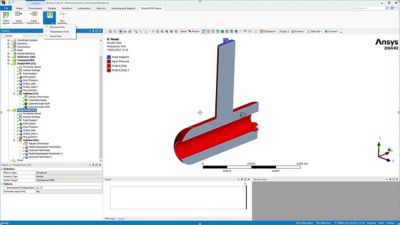
Componente aggiuntivo in Ansys Mechanical, software di analisi strutturale agli elementi finiti, per lo sviluppo di modelli di ordine ridotto modali (ROM)da utilizzare in Ansys Twin Builder, piattaforma per digital twin basata sulla simulazione.
Superelemento
La matrice di massa e rigidezza di una struttura può essere riscritta in termini di massa e rigidezza efficaci nei punti di interfaccia in cui la struttura si collega ad altri componenti del sistema. Per generare un superelemento, gli strumenti software calcolano le matrici complete di massa e rigidezza e le riscrivono in termini di punti di interfaccia. Un ROM a superelementi presenta il vantaggio di tempi di soluzione rapidi e non contiene informazioni sulle caratteristiche interne del componente che rappresenta.
I modelli non intrusivi utilizzano un'ampia varietà di metodi di calcolo, adattamento dei dati e interpolazione. Alcuni dei più comuni sono:
- Metamodello di prognosi ottimale (Meta Model of Optimal Prognosis, MOP): vengono valutati diversi modelli di regressione per individuare quello più accurato per un determinato dataset.
- Superficie di risposta: una superficie geometrica viene adattata al dataset.
- Riduzione di campo: viene utilizzato un numero ridotto di pattern per rappresentare i dati man mano che variano nello spazio.
- Regressione a processi gaussiani: viene effettuato un adattamento probabilistico dei dati insieme al calcolo della fiducia per la rappresentazione risultante.
- Identificazione nello spazio di stato (lineare/non lineare, invariante/parametrico): vengono formulate equazioni differenziali per modellare il comportamento del sistema nel tempo.
- ODE (Ordinary Differential Equations, equazioni differenziali ordinarie) neurali: viene utilizzato il deep learning per definire le equazioni differenziali che descrivono il comportamento del sistema nel tempo.
- Rete Neurale: viene utilizzato l'addestramento iterativo sui dati per mappare il comportamento complesso e non lineare del sistema con gli approssimatori.
- Temporal Fusion Transformer (TFT): un altro approccio basato sul deep learning, simile ai transformer nell'elaborazione del linguaggio naturale, ma progettato per gestire dati fisici ed economici anziché testuali.
Quando gli ingegneri desiderano utilizzare un approccio ibrido, con dati generati da simulazioni e dati empirici, spesso ricorrono a metodi di inferenza bayesiana o di arricchimento del modello.
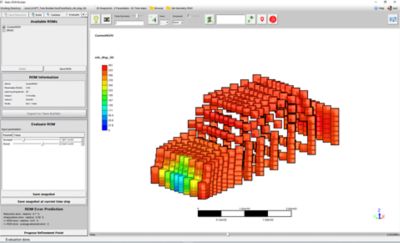
Modello di ordine ridotto (ROM) parametrico con storico dei campi in Ansys Twin Builder, piattaforma di digital twin basata sulla simulazione.
Esempi di modelli di ordine ridotto
Gli ingegneri utilizzano i modelli di ordine ridotto in tutti i settori e in ogni fase del ciclo di vita di un prodotto, dalla progettazione preliminare fino ai digital twin delle macchine operative. I team più avanzati stanno inoltre implementando sempre più spesso i ROM in sistemi ibridi, che uniscono modelli di simulazione e dati dei sensori in tempo reale. I ROM sono strumenti potenti, utilizzati dalle aziende in vari ambiti per la loro efficienza in termini di costi, velocità e portabilità. Ecco alcuni esempi che danno un'idea dei vantaggi dei ROM:
Dispositivi microelettromeccanici (Microelectromechanical Systems, MEMS)
La complessità e il comportamento multifisico dei dispositivi MEMS li rendono ideali per la modellazione surrogata offerta dai ROM. Prendiamo, ad esempio, un dispositivo MEMS come un chip per proiettori composto da microspecchi. Il suo funzionamento può combinare elettrostatica, ottica, piezoelettricità e dinamica meccanica. La modellazione di ciascuna forma di fisica computazionale come sistema separato sarebbe complessa, richiederebbe competenze in diversi ambiti della fisica e renderebbe necessario l'accoppiamento tra solver. Per questo motivo, i progettisti di MEMS utilizzano strumenti come Ansys Mechanical, un software di analisi strutturale agli elementi finiti, per estrarre il comportamento elettrostatico, strutturale e del modello nei ROM. Un ingegnere ottico può quindi utilizzare il software di progettazione e analisi di sistemi ottici Ansys Zemax OpticStudio per creare un ROM per l'ottica, mentre uno specialista di sistemi integrati può utilizzare Ansys SCADE, un ambiente di sviluppo basato su modelli dedicato al software integrato critico, per il sistema di controllo.
I motori a turbina sono un altro sistema complesso e multifisico, ma all'estremo opposto della scala dimensionale. Le aziende produttrici di motori a turbina utilizzano i ROM in diversi modi per progettare e supportare sistemi sia di propulsione che di alimentazione. Alcune delle applicazioni più comuni includono:
● Flussi di raffreddamento secondari con ROM termo-fluidodinamici
● Ottimizzazione della configurazione della camera di combustione
● Progettazione e test dei sistemi di controllo
● Modellazione termica e delle prestazioni dell'intero motore
● Digital twin per il monitoraggio in esercizio e la manutenzione predittiva
Flusso dei fluidi nei sistemi termo-fluidodinamici
La modellazione CFD del flusso dei fluidi è uno dei metodi computazionali più complessi e costosi, poiché non esiste una soluzione in forma chiusa per le equazioni che rappresentano il moto dei fluidi, ovvero le equazioni di Navier-Stokes. Le pompe, le valvole e gli elementi riscaldanti utilizzati nei sistemi termo-fluidodinamici, come gli impianti a gas naturale, i sistemi di raffreddamento delle centrali elettriche o gli impianti di climatizzazione degli edifici, sono troppo complessi per essere modellati singolarmente.
Per questo motivo, gli esperti di fluidodinamica realizzano spesso un modello CFD dettagliato di un componente del sistema di fluidi ed eseguono molteplici simulazioni per determinare gli output chiave del dispositivo in funzione di una serie di parametri di ingresso. Successivamente, utilizzano uno dei metodi non intrusivi per generare un ROM. Il modello creato può essere impiegato da altri ingegneri per determinare rapidamente la risposta del componente all'interno di un modello a livello di sistema, risolvibile quasi in tempo reale.
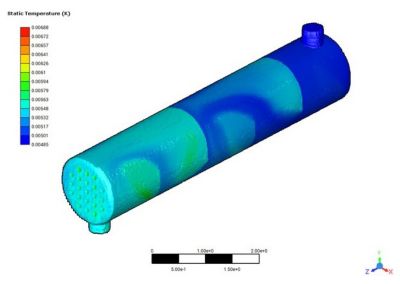
Nel caso di uno scambiatore di calore a flusso incrociato, la funzionalità ROM del software di simulazione dei fluidi Ansys Fluent fornisce una soluzione per ogni punto di progettazione in appena un secondo con una sola CPU, mentre una simulazione completa può richiedere più di due ore con 16 CPU.
Sistemi di gestione della batteria (Battery Management Systems, BMS)
L'utilizzo dei sistemi di gestione delle batterie sta aumentando di pari passo con l'impiego crescente delle batterie nei veicoli elettrici e nei sistemi di immagazzinamento dell'energia. Una pratica comune nella simulazione dei BMS unisce i ROM derivati da CFD con i ROM termici e il software di controllo per modellare e prevenire il runaway termico.
Ottimizzazione
L'ottimizzazione è rilevante in quasi tutti i settori e prodotti. Gli ingegneri vorrebbero utilizzare modelli ad alta fedeltà negli studi di ottimizzazione, ma quest'ultima richiede molteplici soluzioni e, di conseguenza, un elevato dispendio di tempo e risorse computazionali. Per questo motivo, i team creano ROM che possono essere risolti rapidamente e li utilizzano con uno strumento come Ansys optiSLang, un software per l'integrazione dei processi e l'ottimizzazione del progetto, per eseguire ottimizzazioni complesse in una frazione del tempo.
Ingegneria dei sistemi basata su modelli (Model-Based Systems Engineering, MBSE) e Digital Twin
I team di ingegneria utilizzano i modelli di ordine ridotto in tutti i settori per sviluppare modelli a livello di sistema dei propri prodotti. Il software di ingegneria dei sistemi basata su modelli Ansys ModelCenter è un esempio significativo di come gli ingegneri possono creare flussi di lavoro con più strumenti e rappresentare i componenti chiave dei sistemi mediante ROM. Questo approccio può essere ulteriormente esteso con digital twin che replicano asset e sistemi fisici, nei quali i ROM vengono utilizzati in strumenti come il software di digital twin basato su AI Ansys TwinAI e la piattaforma di digital twin basata sulla simulazione Ansys Twin Builder per fornire informazioni precise e utili sul comportamento del sistema.
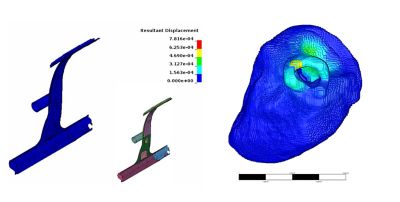
Esportazione dei dati di addestramento LS-OPT per l'estrazione di ROM nel software di digital twin Ansys.
Raccomandazioni per una simulazione efficace con i modelli di ordine ridotto
I modelli di ordine ridotto sono uno strumento molto utile per gli ingegneri specializzati nella simulazione, a condizione che la loro costruzione e il loro utilizzo siano eseguiti correttamente. Ecco alcune raccomandazioni basate sulle esperienze di clienti Ansys che hanno implementato con successo i ROM nei loro flussi di lavoro ingegneristici:
- Identificare il comportamento fisico che si desidera modellare e analizzare con i prodotti Ansys (come Ansys Mechanical, Ansys LS-DYNA, un software di simulazione strutturale della dinamica non lineare, Ansys Fluent, Ansys Maxwell, un solver avanzato di campi elettromagnetici, Ansys HFSS, un software di simulazione elettromagnetica ad alta frequenza, e Ansys Icepak, un software di simulazione del raffreddamento dell'elettronica) e creare un modello ad alta fedeltà.
- Definire input e output del ROM in base agli obiettivi finali e alle principali grandezze di interesse.
- Generare i dati di addestramento a partire dal modello ad alta fedeltà e variare gli input in modo da coprire l'intervallo finale previsto per l'utilizzo del ROM.
- Scegliere le tecniche ROM più adatte in base al tipo di input e output (scalari, segnali, campi) e al tipo di analisi (transitoria, parametrica, entrambe) di cui si ha bisogno.
- Validare la precisione del ROM rispetto alla principale grandezza di interesse utilizzando dati di test non impiegati nella fase di addestramento.
- Adattare il ROM mediante una strategia ibrida nel caso siano disponibili dati utilizzabili come comportamento di riferimento.
Risorse correlate
Cominciamo
Se devi affrontare sfide di progettazione, il nostro team è a tua disposizione per assisterti. Con una vasta esperienza e un impegno per l'innovazione, ti invitiamo a contattarci. Collaboriamo per trasformare i tuoi ostacoli ingegneristici in opportunità di crescita e successo. Contattaci oggi stesso per iniziare la conversazione.